1. What is this in one sentence?
Perception bias is when people’s initial impressions influence their opinions and attitudes toward a brand, product, or person, regardless of subsequent evidence.
2. What it means to businesses:
Businesses need to recognise that customers often judge brands based on first impressions, packaging, or marketing, which can heavily influence future engagement and loyalty.
3. Customer opportunity:
By carefully curating first impressions—through effective branding, impactful advertising, or memorable customer service—businesses can create a lasting positive perception that builds trust and drives repeat purchases.
4. Business threat:
If initial perceptions are negative—due to poor design, tone-deaf advertising, or bad customer service—it becomes extremely difficult to change those opinions, often leading to loss of customers or negative word of mouth.
5. Real business examples of this effect:
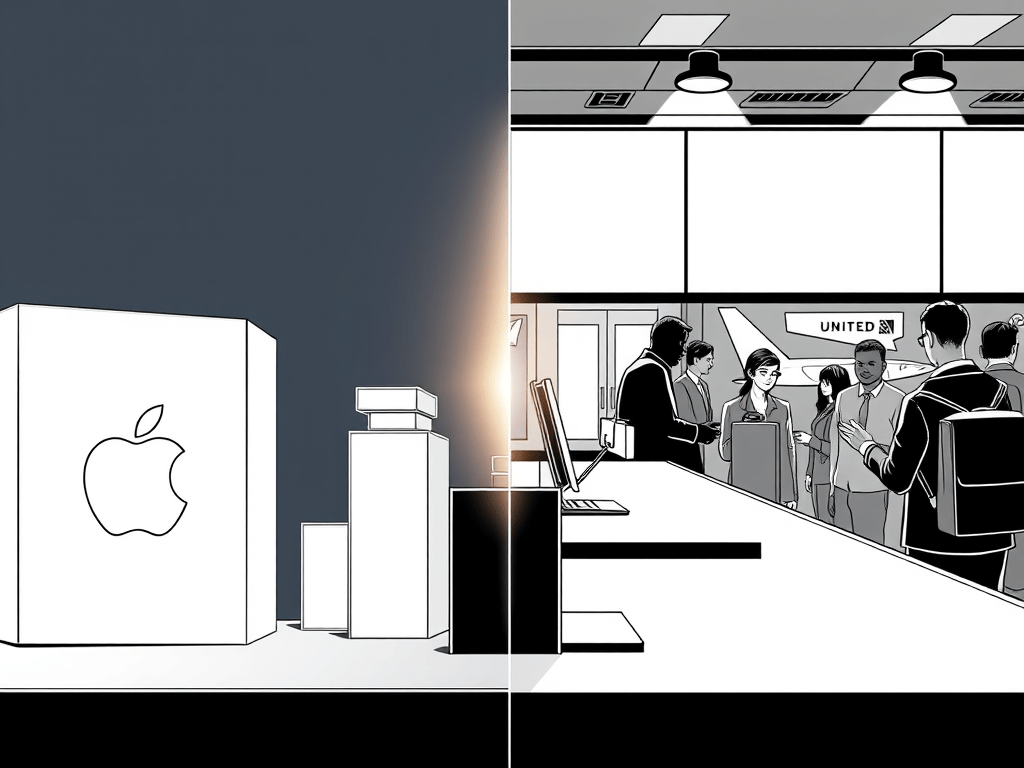
• Apple: Known for sleek product designs and simple, premium packaging, Apple reinforces a perception of quality and innovation before customers even use the product. This perception encourages loyalty and justifies premium pricing.
• United Airlines: After incidents of poor customer service and viral PR disasters, customers developed a lasting negative perception, leading to reduced trust and affecting the airline’s reputation for years.
6. How can we use data to maximise this effect?
• Customer sentiment analysis: Use tools to monitor and analyse social media, reviews, and customer feedback to understand how initial impressions are shaping overall brand sentiment.
• A/B testing: Test variations of packaging, advertising, or website design to identify which options evoke the strongest positive reactions.
• Journey mapping: Track customer journeys from the first interaction (ads, website visits, or in-store experiences) to pinpoint key moments where perception bias could be positively influenced.
When to use this technique and target consumer:
This strategy works best in markets where trust and brand differentiation are crucial—think premium goods, personal services, or new market entrants. For example, startups can use perception bias to make a strong impression as trustworthy and professional, while established brands can lean on their legacy to reinforce perceptions of reliability. It’s particularly effective with younger, digital-savvy consumers who frequently form opinions based on visuals, social proof, and online reviews.
By recognising and influencing perception bias, businesses can gain a competitive edge, fostering brand loyalty and customer advocacy from the very first interaction.



 BrighterDataMinds.com
Leave a comment