
1. What is this in one sentence?
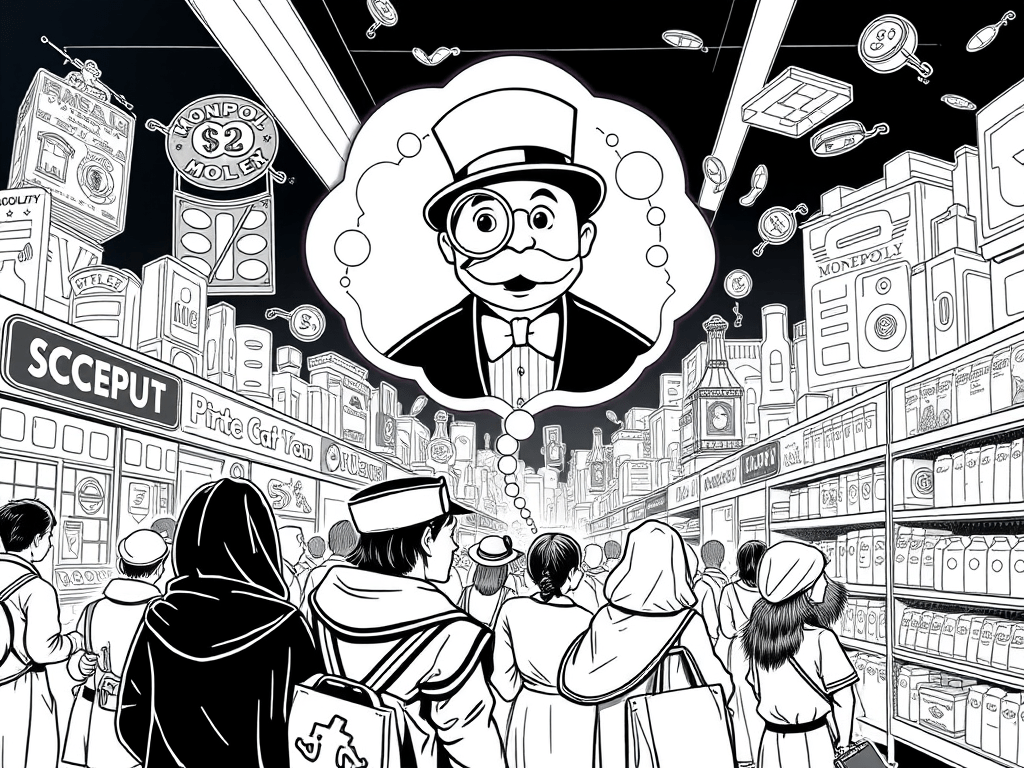
The money illusion effect is a cognitive bias where customers focus on the nominal value of money (the number) rather than its real value (adjusted for factors like inflation or relative purchasing power).
2. What it means to businesses:
This effect means consumers often perceive pricing and discounts in absolute terms without accounting for the broader economic context, such as inflation or currency value shifts.
3. Customer opportunity:
Retailers can leverage this by designing promotions that emphasise larger-looking price reductions (e.g., “£10 off” feels more impactful than “10% off on £100”). This taps into the customer’s tendency to evaluate deals based on nominal differences rather than percentages or inflation-adjusted value.
4. Business threat:
If businesses rely too heavily on this tactic, they risk eroding trust if customers later realise the perceived savings don’t translate into meaningful value (e.g., during inflationary periods). Additionally, overusing such techniques might lead to price sensitivity and reduced brand loyalty.
5. Business examples of this effect:
• Fast Food Promotions: A leading fast-food chain marketed “£5 meal deals” for years, even as inflation made the offering less cost-effective for the company. Customers continued to associate value with the nominal £5 price point, boosting sales despite thinner margins.
• Retail Sales Events: Clothing retailers advertise “Save £50 when you spend £250!” rather than offering a 20% discount. Shoppers focused on the larger-looking £50 savings, perceiving it as a better deal than an equivalent percentage-based discount.
6. How can we use data to maximise this effect?
• Price Sensitivity Analysis: Use transactional data to identify price points where customers respond most positively to discounts or promotions, ensuring nominal discounts feel significant.
• Market Context Insights: Analyse inflation trends and competitor pricing to structure deals that feel impactful in the current economic climate (e.g., using absolute pound / euro / dollar amounts during inflationary spikes).
• A/B Testing Promotions: Test customer response to promotions with nominal vs. percentage framing to refine which approach maximises sales.
• Customer Segmentation: Leverage data to target different demographics; for example, younger customers might be more influenced by nominal savings, while older ones could weigh relative value more critically.
The money illusion effect works best during periods of low consumer confidence or economic uncertainty when shoppers are hyper-focused on perceived value. It’s also effective during major sales seasons (e.g., Black Friday) when absolute discounts stand out amidst promotional noise. Use this effect responsibly to balance immediate sales boosts with long-term brand trust.


 BrighterDataMinds.com
Leave a comment