1. What is this in one sentence?
The Dunning-Kruger Effect is a cognitive bias where people with low expertise overestimate their knowledge and abilities, while highly skilled individuals underestimate theirs.
2. What it means to businesses
In retail, the Dunning-Kruger Effect can influence decision-making at all levels, including store managers, employees, and even customers. Overconfident but inexperienced decision-makers may ignore expert advice, leading to poor strategy, while knowledgeable staff may second-guess their value, limiting innovation.
3. Customer opportunity
Retailers can use this bias to guide customer education. Shoppers often believe they know more than they do especially in areas like fashion, technology, or nutrition. Retailers can leverage this by providing expert guidance in a non-intimidating way, such as through product recommendations, educational content, and interactive experiences that build trust.
4. Business threat
If retailers fail to recognise the impact of overconfidence in decision-making, they may invest in the wrong trends, misinterpret data, or ignore expert insights. This can lead to stock mismanagement, ineffective promotions, and poor customer service strategies.
5. Three real business examples of this effect
a) Electronics Retail & DIY Tech Overconfidence
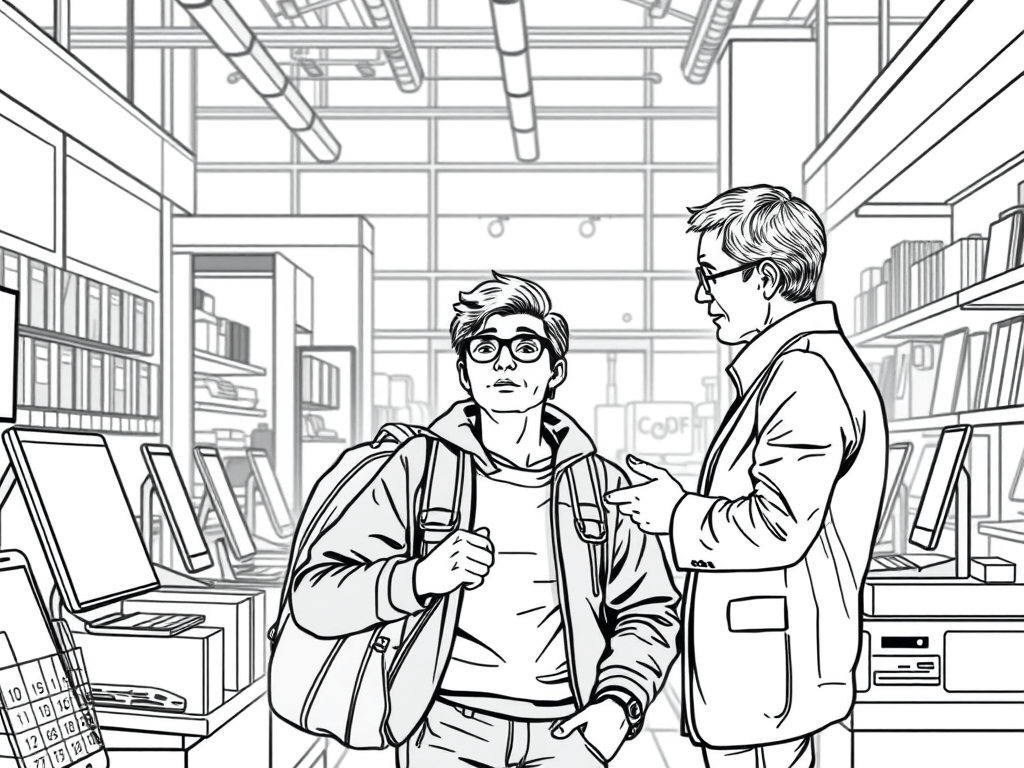
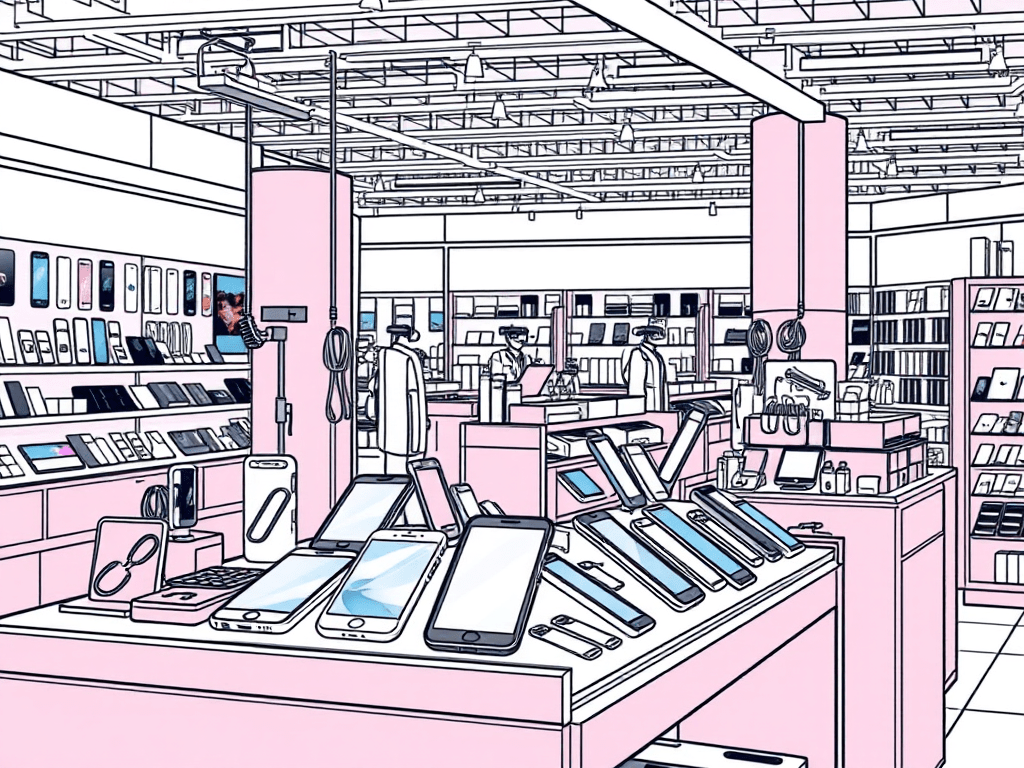
Many consumers believe they can set up complex tech products (e.g., smart home systems) without professional help. Brands like Apple and Best Buy counteract this by offering setup assistance and tech support, ensuring customers don’t abandon purchases due to frustration.
b) Fast Fashion & Personal Style Confidence
Shoppers often overestimate their ability to style trendy pieces effectively. Zara and ASOS address this by offering AI-driven styling recommendations and influencer-led inspiration to guide purchasing decisions.
c) Health & Wellness Retail and Misinformation
Customers frequently believe they understand nutrition but fall for misinformation. Whole Foods and Holland & Barrett use expert-backed content, in-store advisors, and clear labelling to educate shoppers on product benefits and avoid misinformed choices.
6. How can we use data to maximise this effect?
Personalised recommendations: Use AI and purchase history to guide customers toward better choices.
Customer education tracking: Analyse engagement with educational content to refine messaging.
Staff training analytics: Identify knowledge gaps in teams and address overconfidence in decision-making.
Sentiment analysis: Monitor customer feedback and social media discussions to spot areas where overconfidence affects purchasing behaviour.
By understanding the Dunning-Kruger Effect, retailers can refine their approach to customer guidance, decision-making, and training; turning misplaced confidence into informed action.

 BrighterDataMinds.com
Leave a comment