- What is this in one sentence?
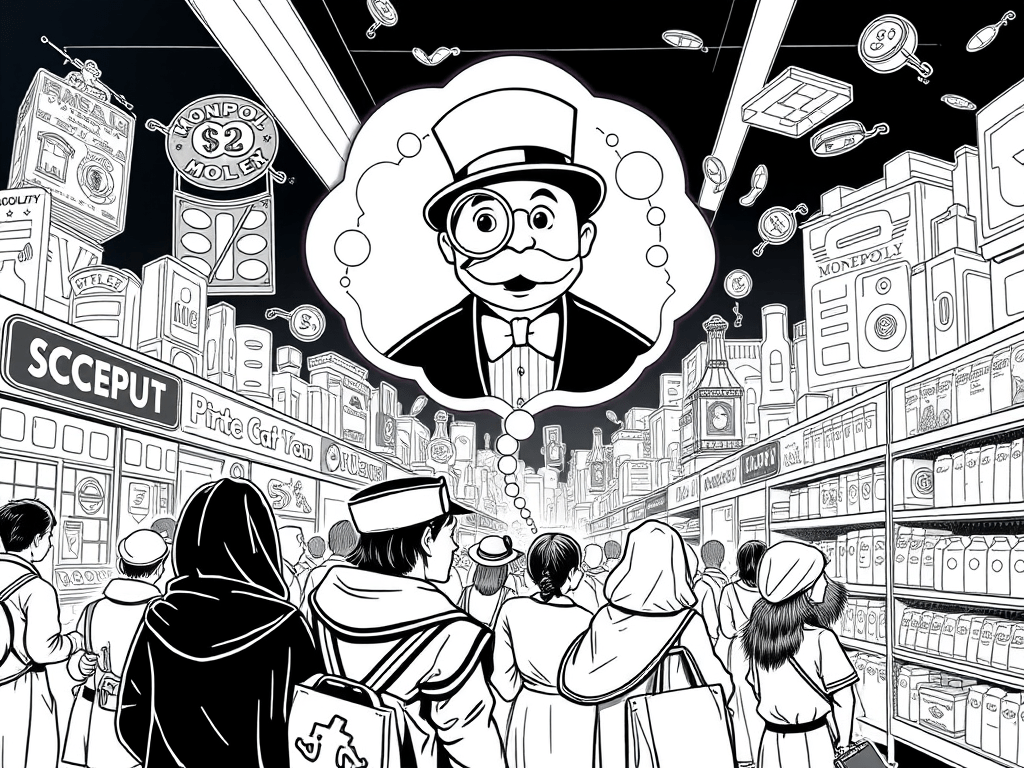
Variable rewards are unpredictable incentives given to customers that trigger emotional engagement and increase repeat behaviour.
- What it means to businesses
When rewards are not guaranteed or are randomly assigned, they tap into the brain’s dopamine loop—creating anticipation, curiosity, and a higher chance of customer return.
- Customer opportunity
Shoppers feel excitement and satisfaction when they might win something—making them more likely to explore, try new products, or spend more time with a brand.
- Business threat
Without structure, variable rewards can confuse or frustrate customers, especially if perceived as gimmicky or unfair—eroding trust and reducing brand credibility.
- Business examples of this effect
- Starbucks Rewards: Surprise bonus stars or offers (“Double Star Days”) keep customers checking the app and making extra purchases.
- Sephora’s Mystery Samples: Online shoppers receive surprise beauty samples at checkout—making even small purchases feel rewarding.
- Amazon Treasure Truck (UK): Random product drops announced via text create urgency and drive impulse buying, often selling out quickly.
- How can we use data to maximise this effect?
Use customer purchase and engagement data to:
- Personalise rewards to make them feel “just for me.”
- Optimise the timing of variable rewards (e.g., mid-week dips in activity).
- Test different levels of randomness—too rare and it’s ignored, too frequent and it becomes expected.
- Tracking response rates and A/B testing offers helps strike the balance between excitement and customer fatigue.
Variable rewards, when done correctly, can embed powerful habits into human behaviour that drives repeat engagements and spends.



 BrighterDataMinds.com
Leave a comment