1. What is this in one sentence?
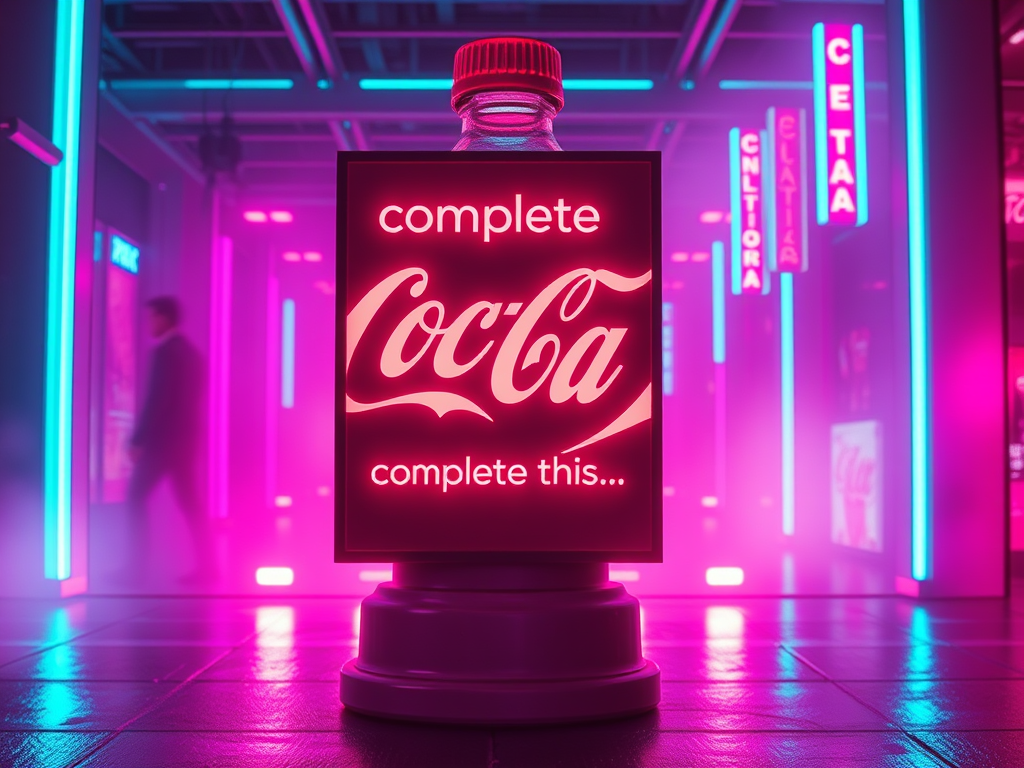
The generational effect is a cognitive bias where the brain feels rewarded when it completes something it has seen or heard before — like finishing a sentence or identifying a familiar image.
2. What it means to businesses
This effect can be used to make marketing messages, packaging, and experiences more engaging and memorable by allowing customers to “complete the thought” — increasing attention, recall, and interaction.
3. Customer opportunity
When brands use familiar phrases, unfinished visuals, or half-shown products, they create an opportunity for customers to mentally “complete” the message, which strengthens emotional engagement and improves brand recall.
4. Business threat
Failing to understand this effect can result in overly complex messaging, visually busy ads, or over-explaining — which can actually reduce interest and make content less sticky.
5. Business examples of this effect
- Coca-Cola’s “Open Happiness” Campaign: Short, emotionally suggestive phrases that the audience subconsciously completes (“Open [yourself to] happiness”) tap into this effect.
- McDonald’s Golden Arches Ads: In some campaigns, they only show part of the iconic “M” — but our brains complete it, instantly recognising the brand.
- Spotify Wrapped: This personalised end-of-year experience teases patterns (“Your most played artist is…”) and encourages users to guess before revealing the answer, leveraging the brain’s need to close the loop.
6. How can we use data to maximise this effect?
By analysing customer engagement metrics (like dwell time, click-through rates, and social shares), retailers can test which partial phrases, teaser visuals, or incomplete experiences generate the most interaction. A/B testing different versions of ads or product designs helps identify what customers are most eager to mentally “finish.”
Used wisely, the generational effect turns every ad, shelf display, or email subject line into a mini puzzle the customer wants to solve — giving them a hit of dopamine and your brand, top of mind.



 BrighterDataMinds.com
Leave a comment