
1. What is this in one sentence?
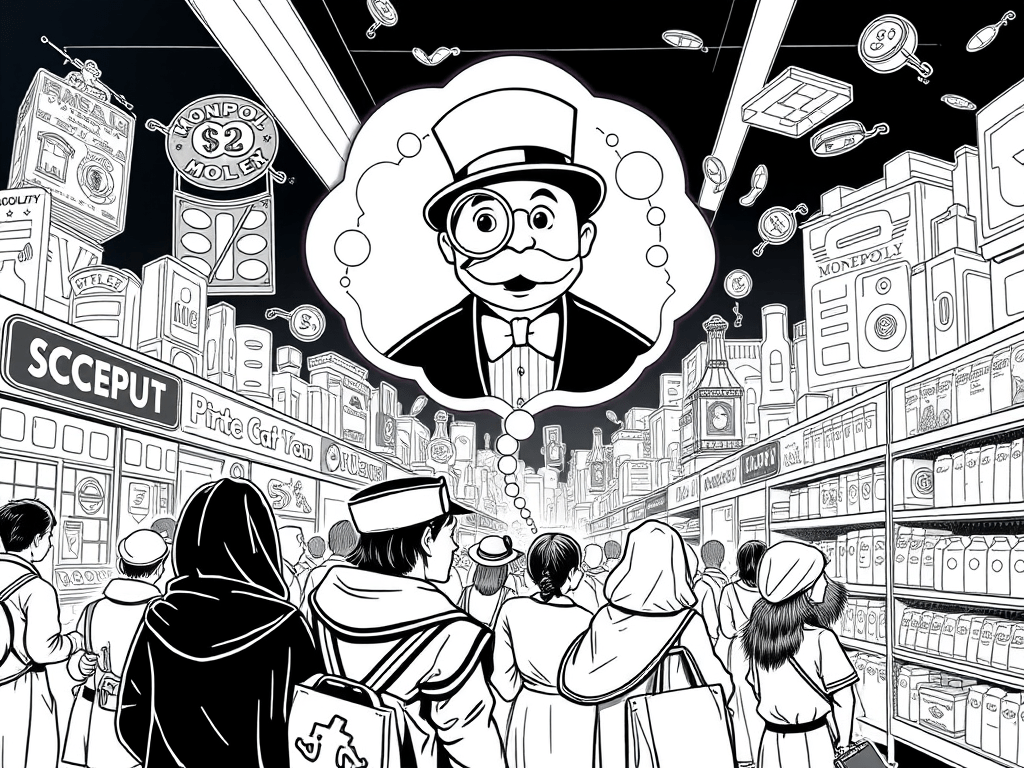
The priming effect is when exposure to certain words, images, or experiences subtly influences a person’s next thoughts, feelings, or actions.
2. What it means to businesses
It means you can shape customer behaviour before they make a decision—just by controlling what they see or feel first.
3. Customer opportunity
Customers feel more confident and reassured when a product or service is framed with the right cues—making decisions easier and faster.
4. Business threat
If you don’t prime your customer, someone else will—and that competitor’s messaging might steer them away from your offer without you realising it.
5. Business examples of this effect
- Apple Stores play soft ambient music and use minimalist design to prime customers for premium pricing and sleek design expectations.
- IKEA’s showroom layout guides shoppers past styled rooms before they hit the warehouse—priming them to visualise how pieces work together and buy more.
- Many e-commerce sites use the colour green around shopping baskets (carts) and listing pages to encourage spend and positive call to actions (add to basket and buy now buttons).
6. How can we use data to maximise this effect?
- Track purchase paths: Use in-store or digital journey data to see what customers see before they convert—then test priming cues at those early touchpoints.
- A/B test landing pages: Change colours, headlines, or first product shown to test which combinations create more clicks or conversions.
- Survey intent vs behaviour: Ask customers what they intended to buy vs what they actually bought to spot where priming may have worked (or failed).
- Heatmaps & dwell time: Use visual analytics to see what visuals or messages people linger on most—these can be powerful priming assets.
Retailers often focus on the moment of purchase, but the real influence starts earlier. Prime well—and the decision almost makes itself.


 BrighterDataMinds.com
Leave a comment