1. What is this in one sentence
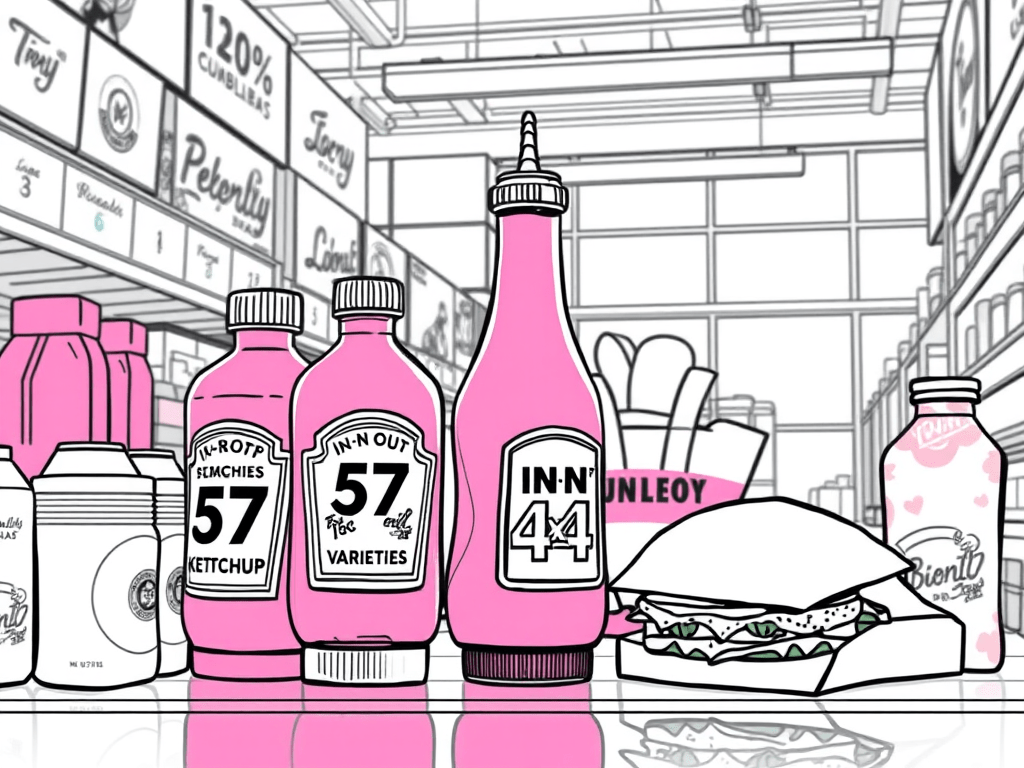
People remember specific numbers (like Heinz’s “57 varieties”) more than rounded ones, making them stickier in customers’ minds.
2. What it means to businesses
Using precise numbers in messaging creates a sense of authenticity, credibility, and memorability. Instead of sounding like vague marketing, it feels real and deliberate.
3. Customer opportunity
Shoppers interpret specific numbers as a sign of detail and trustworthiness. It reassures them that the retailer knows exactly what they offer, rather than exaggerating.
4. Business threat
If the number isn’t backed up in reality (e.g., a retailer says “537 brands” but stock shows much less), it damages trust and can look gimmicky.
5. Business examples of this effect
- Heinz “57 varieties” – A number that became iconic even though it wasn’t literally true; it stuck in culture and still influences the brand.
- In-N-Out Burger’s “Not So Secret Menu – 4×4 burger” – A specific number that makes the item feel unique and memorable compared to a generic “extra-large.”
- Amazon’s “over 300,000 Kindle books available” (early Kindle days) – The specificity gave scale credibility, making customers believe in the breadth of the range.
6. How can we use data to maximise this effect
- Analyse product ranges to find natural “sticky” numbers (e.g., 143 craft beers, 27 organic snacks).
- Use sales data to promote bestsellers with precise counts (“Our top 12 selling shoes this month”).
- Track customer recall in surveys or A/B test marketing messages with rounded vs. specific numbers to see which drives stronger recognition and trust.
Specific sells. Rounded forgets.



 BrighterDataMinds.com
Leave a comment