1. What is this in one sentence
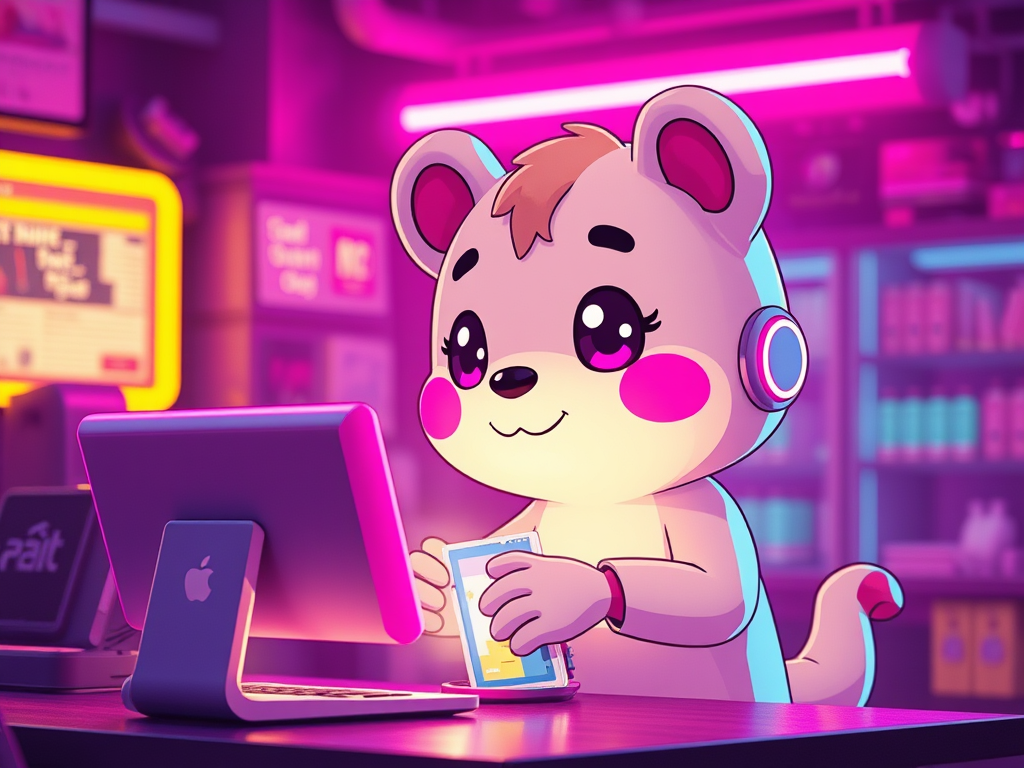
Cuteness bias is our tendency to feel more positive, trusting, and protective toward things that look cute, and to behave more favourably because of it.
2. What it means to businesses
Cuteness lowers mental defences. When customers see cute visuals, characters, or language, their brains relax. This makes brands feel safer, friendlier, and easier to buy from. For businesses, that often means higher attention, stronger emotional connection, and quicker decisions.
But it also sets expectations. Cute implies harmless, simple, and honest. If the product or behaviour doesn’t match that promise, trust erodes fast.
3. Customer opportunity
Cuteness creates approachability. It works best when customers feel unsure, overwhelmed, or emotionally disengaged. Cute design can:
- Reduce perceived risk for first-time buyers
- Make complex products feel easier
- Create emotional attachment beyond price
For retailers, this is especially powerful in discovery moments: browsing, impulse buying, gifting, or onboarding new customers.
4. Business threat
Cuteness can cross into manipulation. If brands use cuteness to delay disclosure, hide pricing complexity, or soften bad news, customers may feel tricked once reality hits.
There’s also a cultural fine line. In some markets, overly cute branding can signal immaturity, lack of credibility, or even dishonesty—especially in finance, health, or premium categories. Used without transparency, cuteness doesn’t just fail—it damages long-term trust.
5. Business examples of this effect
1. Hello Kitty: Hello Kitty’s simple, cute design creates emotional comfort across ages and cultures. Retail products feel collectible and personal, not transactional. Importantly, the products always deliver what the brand promises: simplicity and joy.
2. Innocent Drinks: Playful language and cute illustrations make a mass-market smoothie brand feel human and honest. Crucially, nutritional information and pricing are clear, preventing the “cute but misleading” trap.
3. Duolingo: The owl mascot uses cuteness to reduce anxiety around learning a new skill. But when users feel nagged or manipulated by notifications, backlash appears—showing how quickly cute can turn annoying if overused.
6. How can we use data to maximise this effect
To use cuteness well, data must guide where and when it appears:
- Segment by mindset, not just demographics
Use behavioural data to identify customers who are new, browsing, or hesitant—these are prime moments for cuteness. - Test disclosure timing
A/B test when key information (price, subscription terms, limitations) is shown. If cuteness delays clarity and increases churn, you’ve crossed the line. - Track trust signals, not just conversion
Monitor returns, complaints, and drop-offs after purchase. A spike may indicate customers felt emotionally sold but rationally disappointed. - Localise by culture
Use market research to understand where cute equals charming versus where it feels childish or deceptive.
Cuteness works best as a welcome mat, not a mask. Use it to invite customers in, reduce friction, and humanise your brand—but be clear early. The moment customers realise “cute” was used to distract rather than help, the bias flips from advantage to liability.


 BrighterDataMinds.com
Leave a comment