1. What is this in one sentence
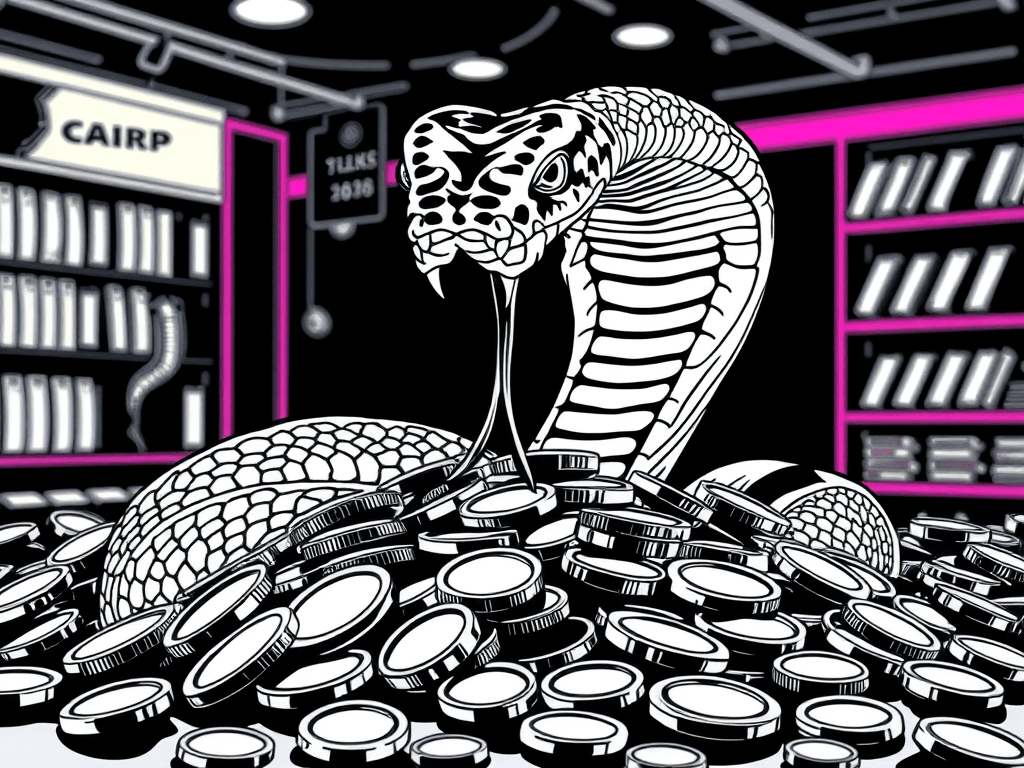
The Cobra Effect happens when a well-intended incentive changes behaviour in the wrong way and makes the problem worse instead of better.
2. What it means to businesses
Businesses often design incentives, targets, or promotions assuming people will behave “rationally.” In reality, customers, staff, and suppliers optimise for the reward — not the original business goal. When success is measured badly, people game the system and the business pays the price.
3. Customer opportunity
When incentives backfire, customers spot loopholes quickly. They may buy more than needed, exploit return policies, or shift behaviour purely to maximise personal gain. This creates short-term sales spikes but weakens long-term value, loyalty, and trust.
4. Business threat
For retailers, the Cobra Effect can destroy margin, inflate costs, and distort demand signals. It leads to false confidence in promotions, poor forecasting, excess stock, and incentive programmes that quietly bleed profit. Worst of all, leadership may double down on “successful” initiatives that are actually damaging the business.
5. Business examples of the Cobra Effect
1. Discount-driven overbuying: Retailers run deep promotions to “drive volume.” Customers stockpile, delaying future purchases. Sales look strong today, but demand collapses tomorrow — and margin never recovers.
2. Sales staff targets based only on volume: Sales associates are rewarded for units sold, not quality of sale. They push unnecessary add-ons or mis-sell products. Returns increase, customer satisfaction drops, and service costs rise.
3. Free delivery thresholds: Retailers set a minimum spend to increase basket size. Customers add low-margin filler items just to hit the threshold. Basket value rises, but profit per order falls.
6. How can we use data to maximise (or avoid) this effect
For retailers, the goal isn’t to remove incentives — it’s to design smarter ones.
Use behavioural data, not just sales data: Track post-promotion behaviour: repeat rates, time to next purchase, and returns. If customers disappear after a deal, the incentive is likely backfiring.
Measure profit, not volume: Shift KPIs from revenue uplift to contribution margin and lifetime value.If behaviour improves metrics that don’t make money, the incentive is broken.
Test incentives in controlled groups: A/B test promotions with and without rewards. Look for unintended behaviours like basket padding, stockpiling, or channel switching.
Watch for demand distortion: Use time-series analysis to see whether promotions create real growth or just pull sales forward. True success shows stability after the incentive ends.
When is it best to use this knowledge in retail?
Understanding the Cobra Effect is most valuable when designing:
- Promotions and discounts
- Staff incentive schemes
- Loyalty programmes
- Delivery and return policies
Retailers that win are not those who incentivise hardest — but those who measure smartest. If you reward the wrong behaviour, don’t be surprised when you get it.
It’s called the Cobra Effect because of a story from British-ruled India, where the government offered a bounty for every dead cobra to reduce their numbers. People responded rationally to the incentive by breeding cobras to kill and claim the reward. When the scheme was discovered and cancelled, breeders released the now-worthless cobras into the wild, leaving the cobra population larger than before. The policy achieved the opposite of its original intent, becoming a classic example of how poorly designed incentives can backfire.


 BrighterDataMinds.com
Leave a comment