
1. What is the problem in one sentence:
When businesses offer too many options, customers can feel overwhelmed, leading to choice paralysis and dissatisfaction.
2. What it means to businesses:
Providing more choices is often intended to enhance customer satisfaction, but too many options can lead to analysis paralysis, lower conversion rates, and even buyer’s regret. Businesses risk investing in variety without seeing the expected returns.
3. Customer opportunity:
Reducing choices to a manageable number can increase customer satisfaction by making the buying process faster, clearer, and more enjoyable. A more focused selection can also help customers feel more confident in their decision, reducing post-purchase regret.
4. Business threat:
If a business ignores the “illusion of choice” effect, it risks confusing customers, who may abandon their purchase altogether. Overloading customers with options can also hurt brand loyalty, as frustrated shoppers are more likely to look elsewhere for a simpler experience.
5. Real business examples of this effect:
1. Costco limits its product lines compared to other big-box stores, offering fewer choices per category. This streamlined selection boosts customer satisfaction by reducing decision fatigue, leading to higher sales per SKU and greater customer loyalty.
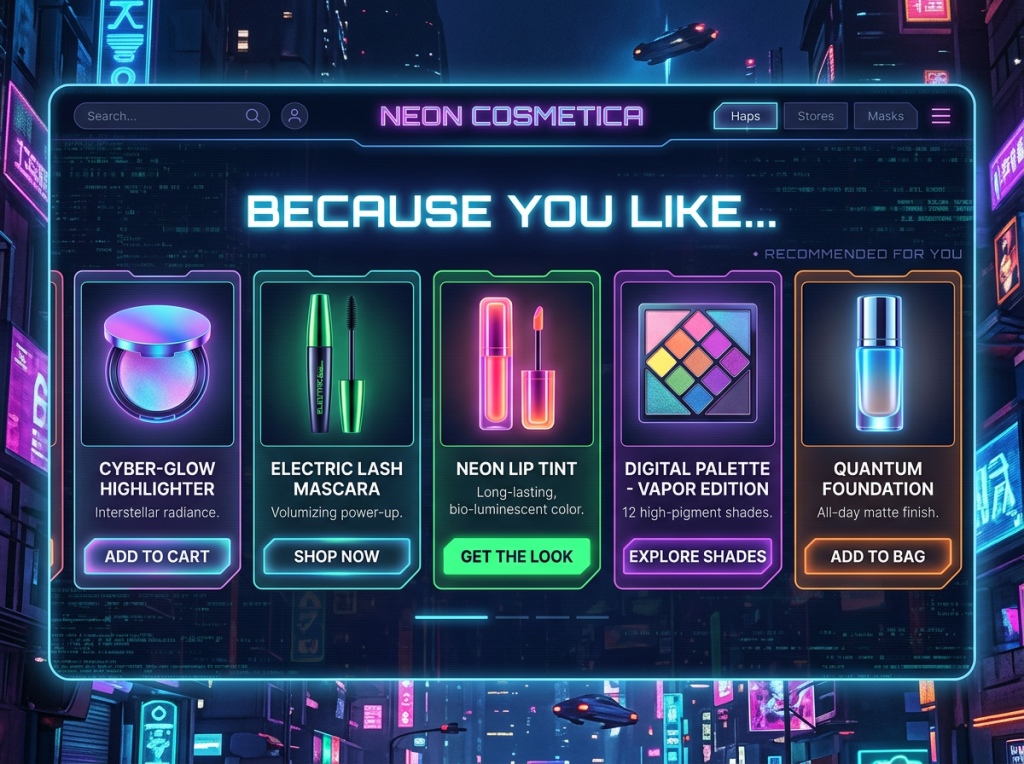
2. Netflix found that too many content options could make viewers spend more time deciding what to watch rather than actually watching. To counter this, Netflix optimised its recommendation algorithms to guide viewers toward a smaller, curated selection, reducing choice paralysis and improving user engagement.
In both cases, businesses that managed the illusion of choice effectively saw stronger customer engagement and higher sales, proving that sometimes, less really is more.

 BrighterDataMinds.com
Leave a comment