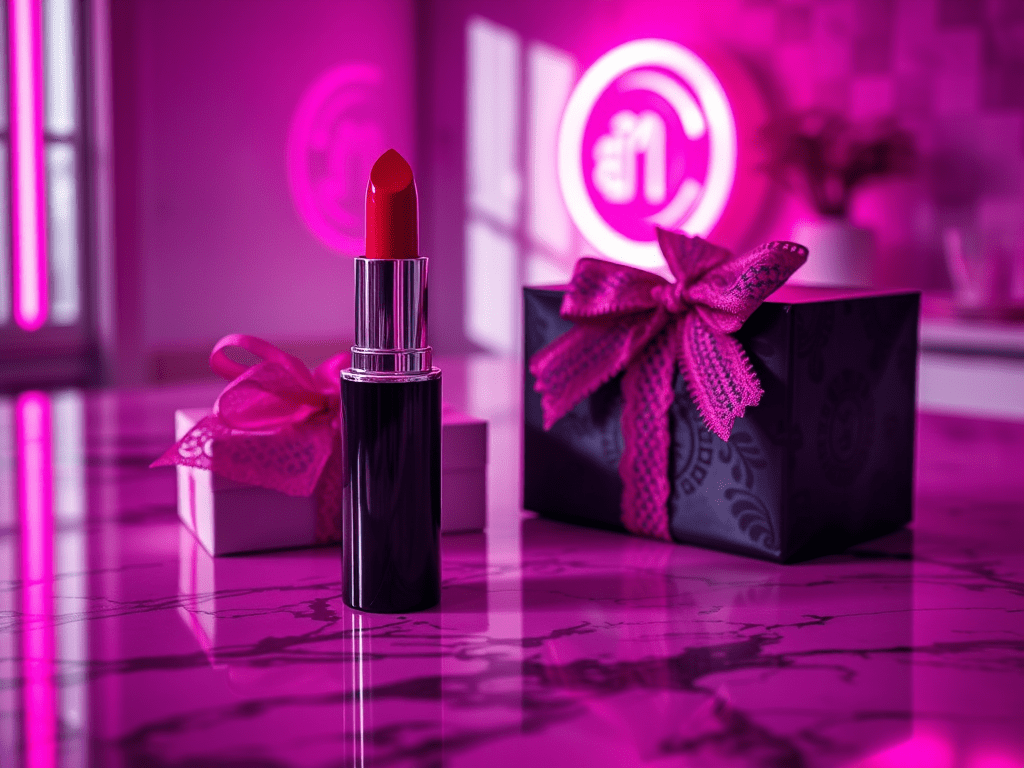

1. What is this in a sentence?
When consumer budgets tighten, many would expect all discretionary spending to drop—but small luxuries often hold strong.
2. What It Means to Businesses
The “Lipstick Effect” describes the phenomenon where consumers continue to purchase affordable luxury items, like cosmetics, small indulgences, or lower-tier premium goods, even during economic downturns. This behaviour is tied to the desire for accessible ways to feel good, which consumers prioritise over larger, more costly items in difficult times. It offers businesses a path to stay relevant by repositioning or downsizing luxury products.
3. Customer Opportunity
In tough economic climates, people seek small pleasures that make them feel valued without straining their finances. By offering “mini” luxury experiences, companies can capture a resilient demand from consumers who still want to treat themselves, even on a budget. Brands that tailor products to meet this need—like smaller versions, affordable bundles, or limited-edition items—can retain loyal customers and attract new ones looking for value within a trusted brand.
4. Business Threat
For businesses that rely on high-end luxury sales, the Lipstick Effect can signal trouble, as consumers often cut out expensive purchases. Failure to adapt to this shift might mean losing relevance or revenue as customers redirect their limited funds toward smaller indulgences rather than high-ticket luxury goods. Companies that overlook the opportunity to offer these small luxuries risk losing their place in the consumer’s mind as other brands take the lead in catering to the need for affordable pleasure.
5. Real Examples of Companies Adapting to the Lipstick Effect
1. Estee Lauder
During the 2008 financial crisis, Estee Lauder leaned into the Lipstick Effect by marketing more affordable products within its luxury range, such as lipsticks and travel-sized perfumes. These items offered consumers a taste of luxury without the commitment of higher-priced items, like full-sized fragrances or skin treatments. By focusing on smaller, attainable luxuries, Estee Lauder maintained consumer interest and strengthened brand loyalty during an economic downturn.
2. Starbucks
Starbucks has consistently leveraged the Lipstick Effect, especially during challenging economic times. Rather than seeing a dip in sales, Starbucks often notices stable demand as consumers continue to seek a small “daily luxury.” During recent economic downturns, Starbucks also expanded its offerings of seasonal and limited-edition beverages, which consumers view as small, affordable treats. These strategies have allowed Starbucks to remain a popular “affordable luxury,” helping it to retain foot traffic even as consumers cut back elsewhere.
These examples highlight how offering smaller, accessible luxuries can keep a brand relevant and resilient, even when consumers are more cautious with their spending.


Leave a Reply