
1. What is this in a sentence?
Recency bias causes people to prioritise recent events over longer-term trends, leading to skewed decision-making.
2. What it means to businesses
Businesses often make decisions based on the most recent data, feedback, or events, which can overshadow historical patterns or broader trends. This can result in knee-jerk reactions, missed opportunities, and misaligned strategies.
3. Customer opportunity
Recognising and mitigating recency bias allows businesses to better understand long-term customer behaviour, ensuring more consistent and reliable product or service delivery. It helps brands build trust and loyalty by staying the course on strategies that have proven to work over time.
4. Business threat
Recency bias can lead to overreaction. For example, businesses might prematurely pivot their strategies after a single bad quarter, potentially alienating loyal customers or abandoning promising long-term initiatives.
5. Real business examples
• Netflix’s Content Strategy: Netflix initially fell into recency bias by over-investing in content based on the latest viewing trends, such as churning out multiple reality shows after a few hits. Over time, they realised the importance of broader content variety to retain their diverse subscriber base.
• Retail Seasonal Stocking: Many retailers overstock on products that sold well in the most recent holiday season. A clothing retailer, for example, might over-order a trending colour or style only to find that demand has shifted by the following year.
6. How can we use data to maximise this bias?
Leverage recency bias by focusing on real-time or near-term insights to create urgency and engagement. For instance:
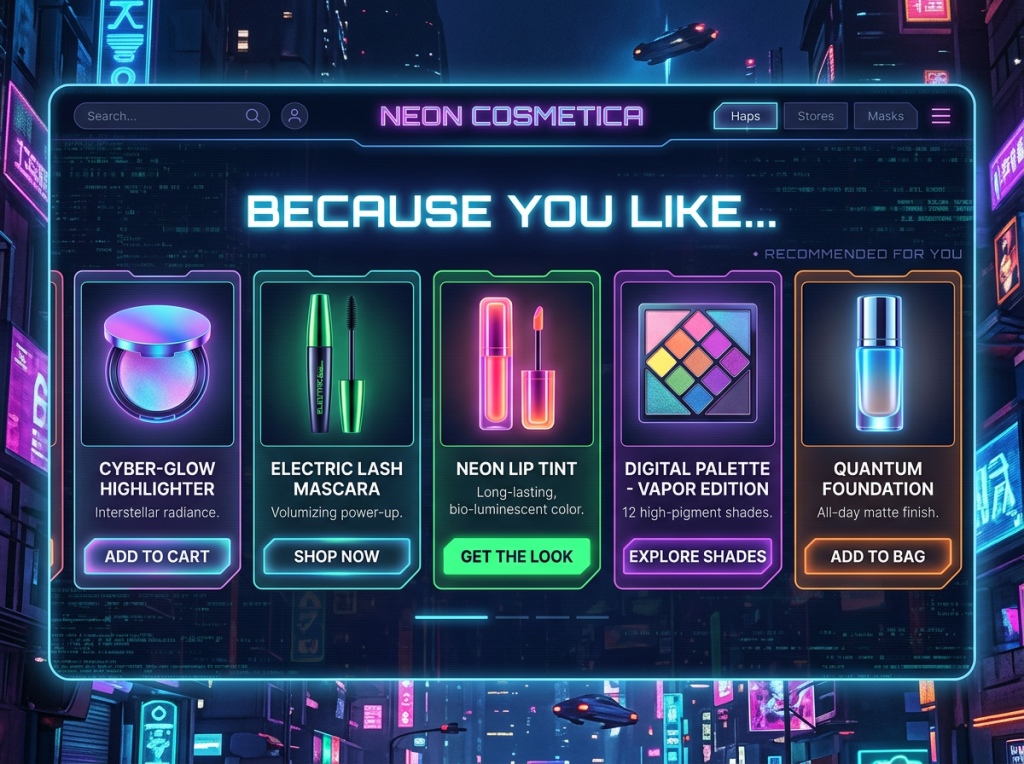
• Dynamic personalisation: Use recent customer behaviour’s—like their last purchase or search history—to tailor promotions and recommendations. For example, an e-commerce site can feature products customers recently browsed in follow-up emails.
• Trend-based marketing: Highlight the latest trends or “bestsellers” in marketing campaigns to drive immediate interest, taking advantage of customers’ preference for what’s popular now.
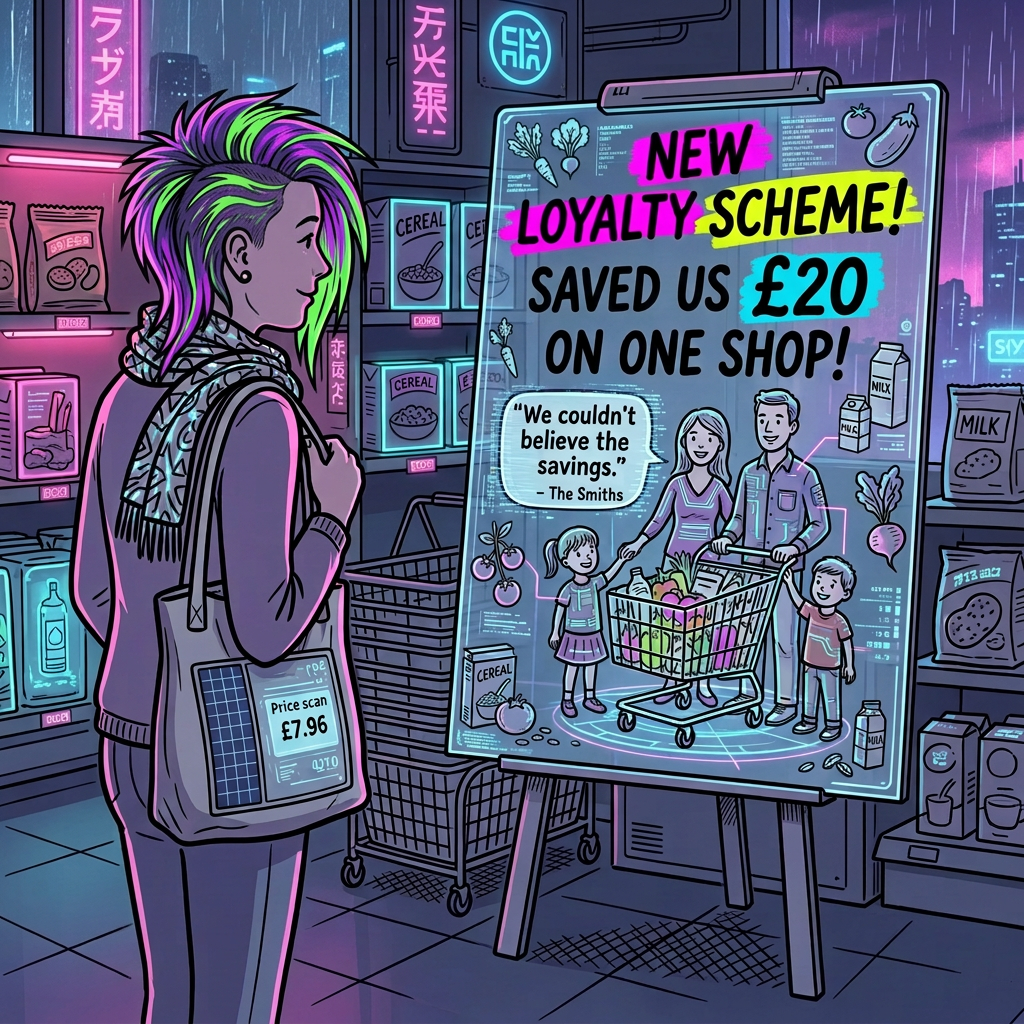
• Social proof: Showcase recent positive reviews or high usage stats to reinforce decisions. For example, “500 people purchased this product today” plays into recency bias and builds momentum.
By combining historical analysis with real-time data, businesses can capitalise on recency bias without becoming trapped by it. By addressing recency bias, businesses can make more balanced decisions that stand the test of time. It’s not about ignoring the present—it’s about giving equal weight to the past and future.
it’s about giving equal weight to the past and future.
Are you factoring in recency bias in your data findings?


Leave a Reply