
1. What is this in one sentence?
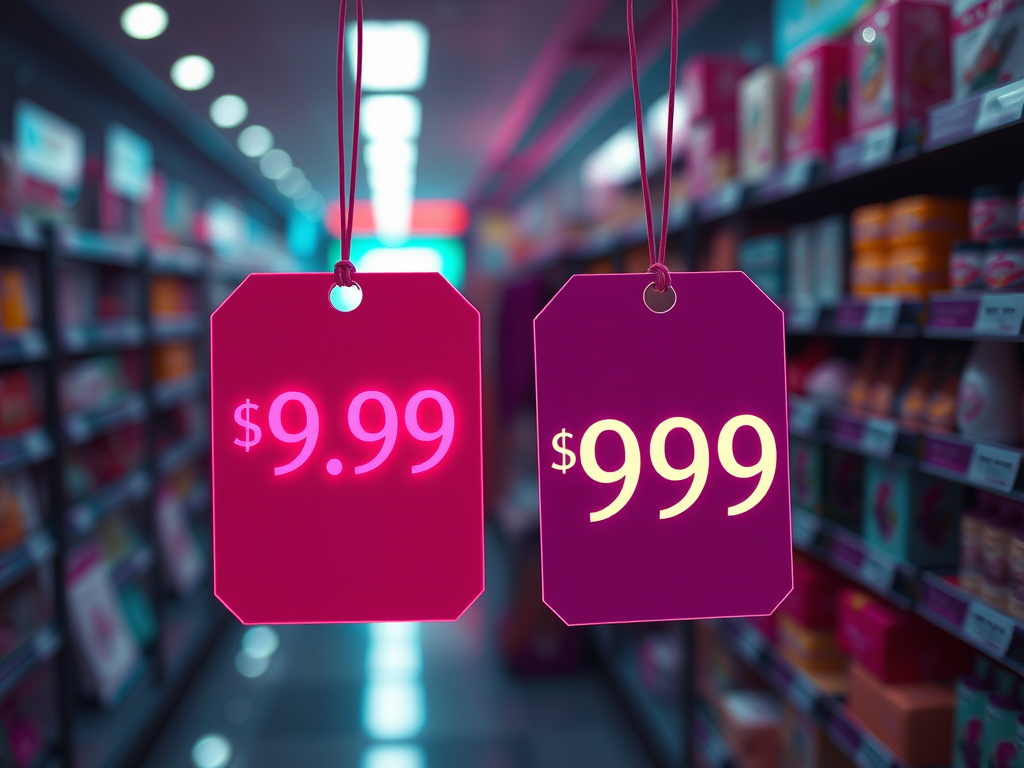
Charm pricing is the psychological effect where prices ending in “.99” or similar create the perception of better value, even if the difference is minimal.
2. What it means to businesses
Charm pricing leverages consumer psychology to make products appear less expensive, encouraging purchase decisions and improving sales volumes.
3. Customer opportunity
For value-driven customers, charm pricing reinforces the perception of getting a good deal, especially when comparing prices. This tactic works well in competitive and price-sensitive markets.
4. Business threat
Overuse or misapplication of charm pricing can cheapen brand perception, especially for premium or luxury products, as these customers associate such tactics with lower quality or mass-market goods.
5. 2 real business examples of this effect
• Walmart: Known for its heavy reliance on charm pricing (e.g. $9.99), Walmart has consistently reinforced its position as a budget-friendly retailer. The strategy resonates strongly with cost-conscious shoppers.
• Apple: Conversely, Apple avoids charm pricing, using rounded numbers like $999 to reinforce its premium, no-compromise positioning. This is a strategic choice to align with its target market’s expectations of exclusivity and quality.
6. How can we use data to maximise this effect?
• A/B Testing: Experiment with different pricing strategies to determine how charm pricing impacts conversion rates compared to rounded pricing.
• Customer Segmentation: Use customer data to understand purchasing behaviours and preferences. For instance, employ charm pricing in value-focused segments and avoid it in luxury segments.
• Competitive Analysis: Track competitors’ pricing strategies to ensure your charm pricing provides a clear advantage while maintaining profitability.
• Price Elasticity Models: Analyse sales data to identify the optimal charm price threshold that maximises revenue without eroding perceived value.
When to Use: Charm pricing is best for mass-market or mid-range products where price sensitivity is high.
Avoid it for high-end or luxury products, where brand equity and perceived exclusivity outweigh price as a primary decision factor.


Leave a Reply