
1. What is this in one sentence?
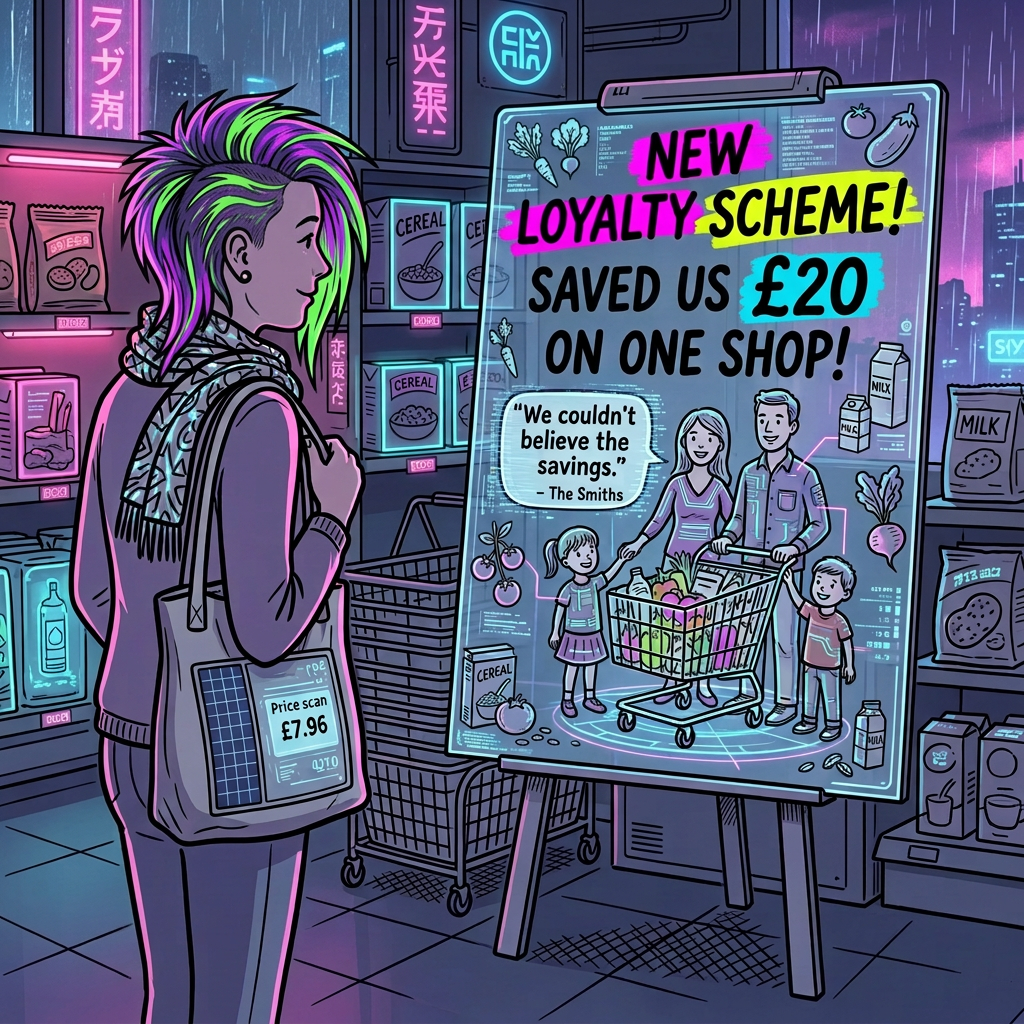
The consumer action gap is the disconnect between what consumers say they’ll do (intentions) and what they actually do (actions).
2. What it means to businesses:
This gap can result in wasted resources if businesses rely solely on stated intentions without accounting for actual behaviours. Retailers may misjudge demand, develop irrelevant offerings, or miss opportunities to convert intent into sales.
3. Customer opportunity:
The action gap presents a chance to better understand and nudge customers who are on the verge of taking action, whether it’s by improving convenience, trust, or relevance. Bridging this gap can lead to increased conversion rates and more satisfied customers.
4. Business threat:
If businesses ignore the action gap, they risk investing in products, campaigns, or strategies that don’t align with actual customer behaviours, leading to low ROI, wasted budgets, and potential brand damage.
5. Business examples of this effect:
- Cart Abandonment in E-commerce: Shoppers often add items to their cart but fail to complete the purchase due to friction in the checkout process.
- Sustainability Products: Many consumers claim they prioritise eco-friendly goods but still opt for cheaper or more convenient options at the point of purchase.
- Subscription Cancellations: Gym memberships or streaming subscriptions highlight how customers intend to use services regularly but fail to follow through on the commitment.
6. How can we use data to maximise this effect?
Behavioural Data Analysis: Track actual customer actions (e.g., page visits, time spent, drop-off points) rather than relying solely on survey responses.
A/B Testing: Experiment with small changes to the customer journey (like offering free shipping or a one-click checkout) to see what triggers action.
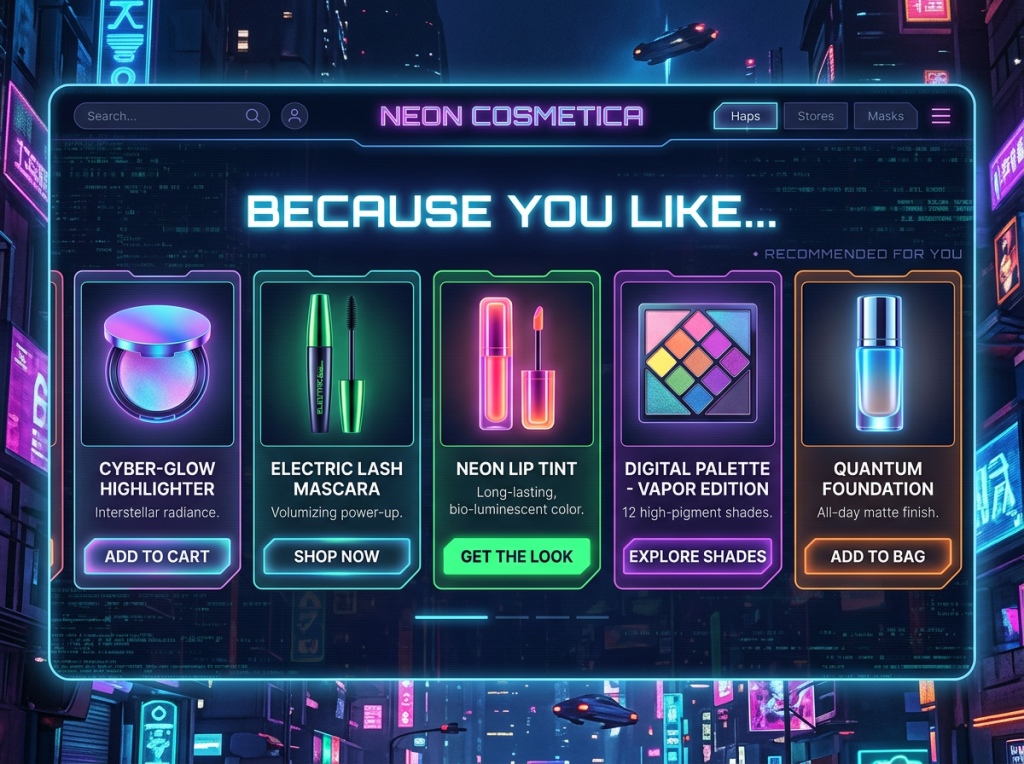
Customer Segmentation: Use predictive analytics to identify customer groups with high intent but low follow-through rates, and target them with tailored offers.
Post-Sale Surveys: Collect feedback on why some customers didn’t follow through on purchases to identify barriers and refine the process.
The consumer action gap is most useful to address in high-consideration purchases, repetitive buying scenarios, or when customers face friction in completing transactions. Retailers can apply these insights to optimise e-commerce platforms, in-store layouts, and targeted campaigns to turn intent into action. By focusing on real behaviours and removing barriers, businesses can close the gap and drive meaningful results.


Leave a Reply