1. What is this in one sentence?
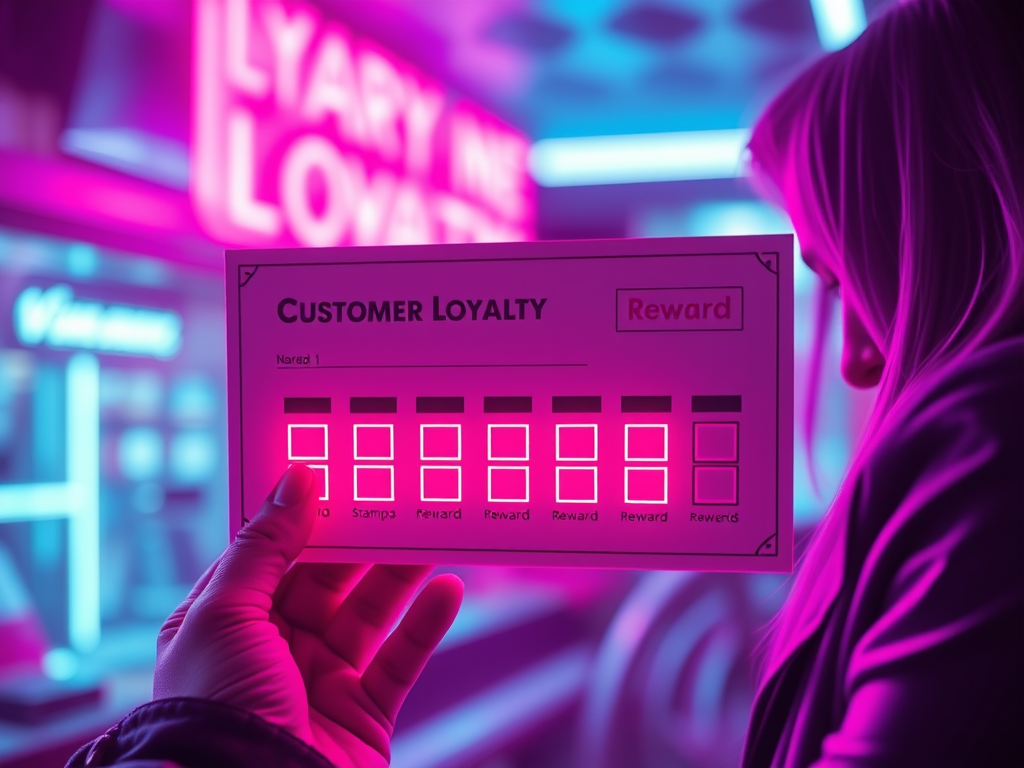
The Endowed Progress Effect is the tendency for people to complete tasks when they feel they’ve already made some progress toward a goal, even if that progress is artificial.
2. What it means to businesses
By giving customers a “head start” toward a reward, businesses can increase engagement, drive repeat behaviour, and accelerate loyalty.
3. Customer opportunity
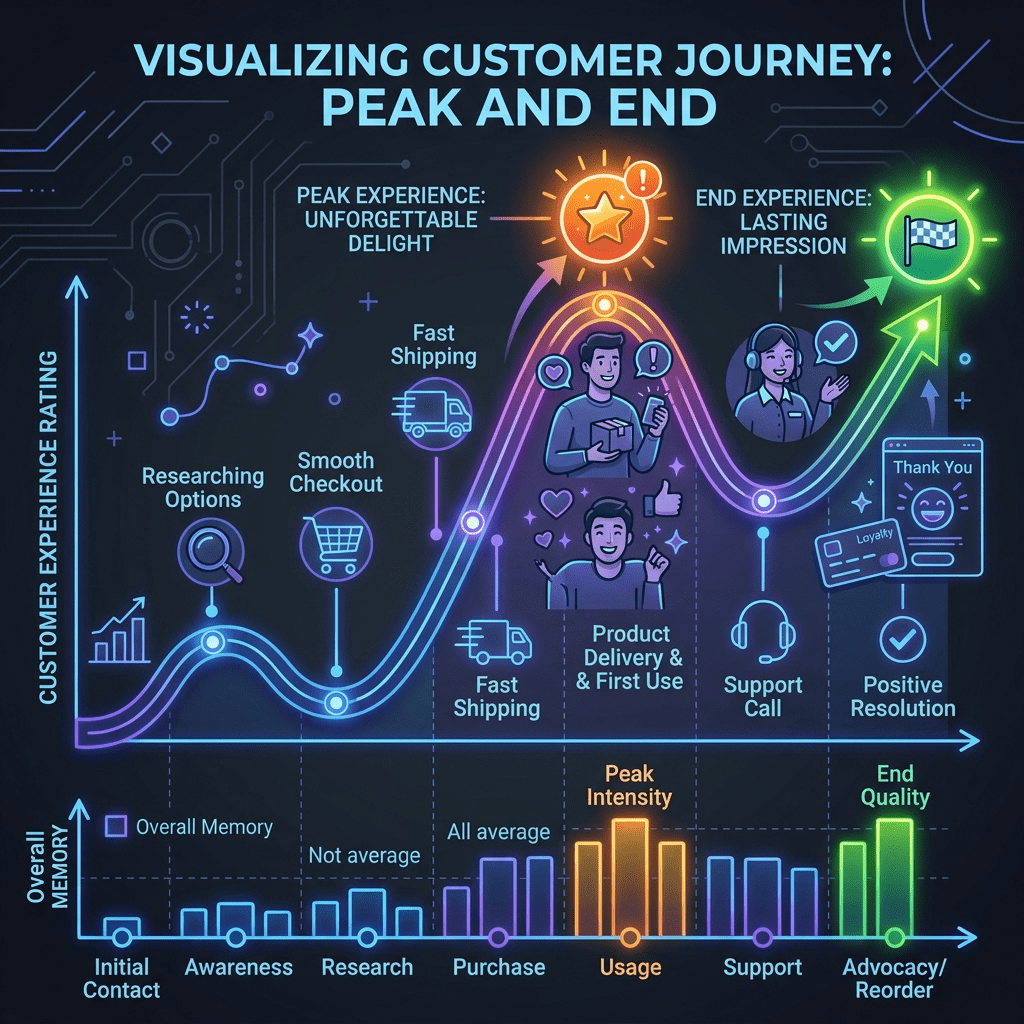
Customers feel motivated and encouraged when they perceive progress—this perceived momentum can increase satisfaction and reduce friction in decision-making, making them more likely to return or complete a purchase.
4. Business threat
Without a sense of progress, customers may drop off early in the journey, abandon loyalty schemes, or disengage from programs that feel like too much effort for too little return.
5. Business examples of this effect
- Starbucks Rewards: Customers often start with a couple of stars preloaded onto their account, nudging them to earn more and complete the journey to a free drink.
- Domino’s Pizza Tracker: Visual progress updates on pizza orders tap into the endowed progress feeling, reinforcing the user’s choice and encouraging reorders.
- Online Learning Platforms (e.g., Duolingo): By marking the first lesson as “complete” when you sign up, users are encouraged to continue and build streaks.
6. How can we use data to maximise this effect?
- Track and segment by engagement stage: Identify drop-off points and proactively trigger communications that highlight progress (e.g., “Only 2 more purchases to your next reward”).
- A/B test progress nudges: Use experiments to see which types of progress messages convert best—percentage complete vs. steps remaining.
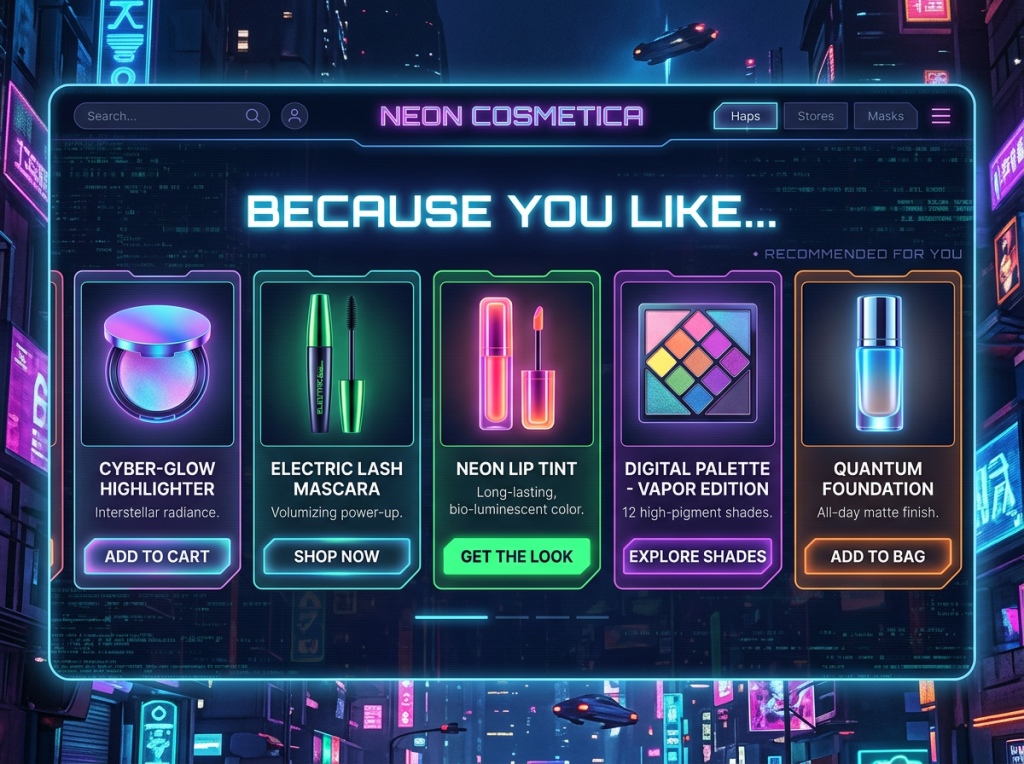
- Use behavioural data to auto-reward: Recognise repeat actions (e.g., site visits, Wishlist activity) and show customers how close they are to their “next milestone” even outside formal programs.
When should retailers use this technique?
Use it when launching or revamping loyalty schemes, onboarding new customers, or trying to reduce churn in subscription or repeat-purchase environments. Anywhere there’s a journey, there’s room for a head start.
Give customers the feeling they’ve already started something, and they’re more likely to finish it.
 BrighterDataMinds.com
Leave a comment