1. What is this in one sentence?
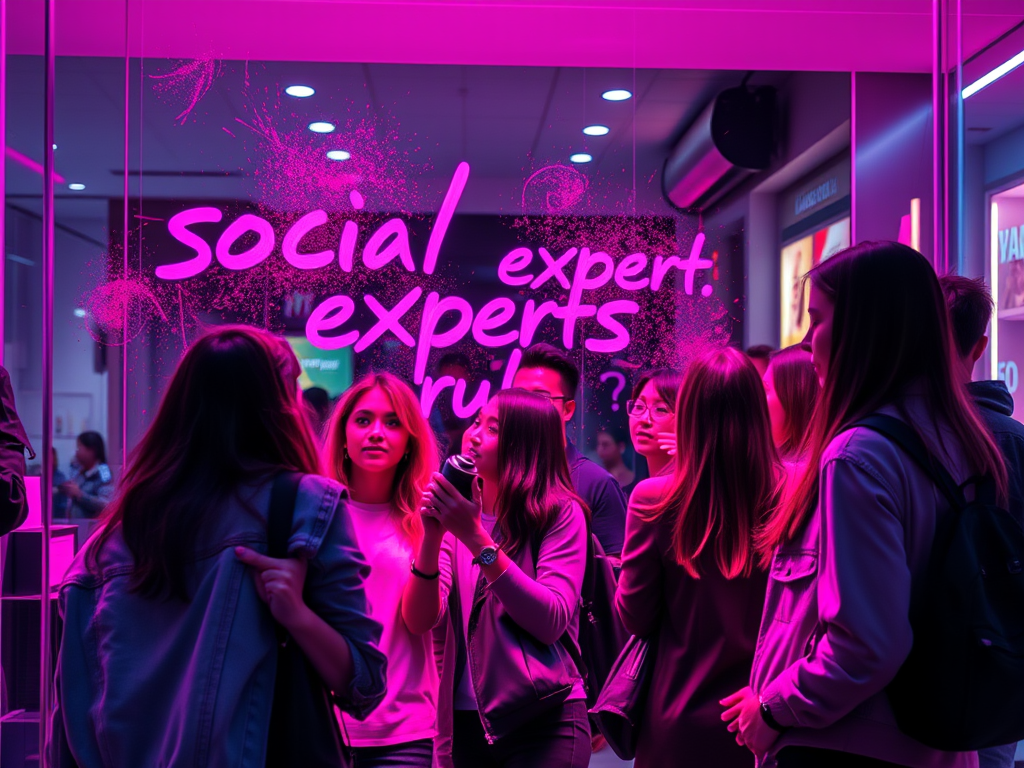
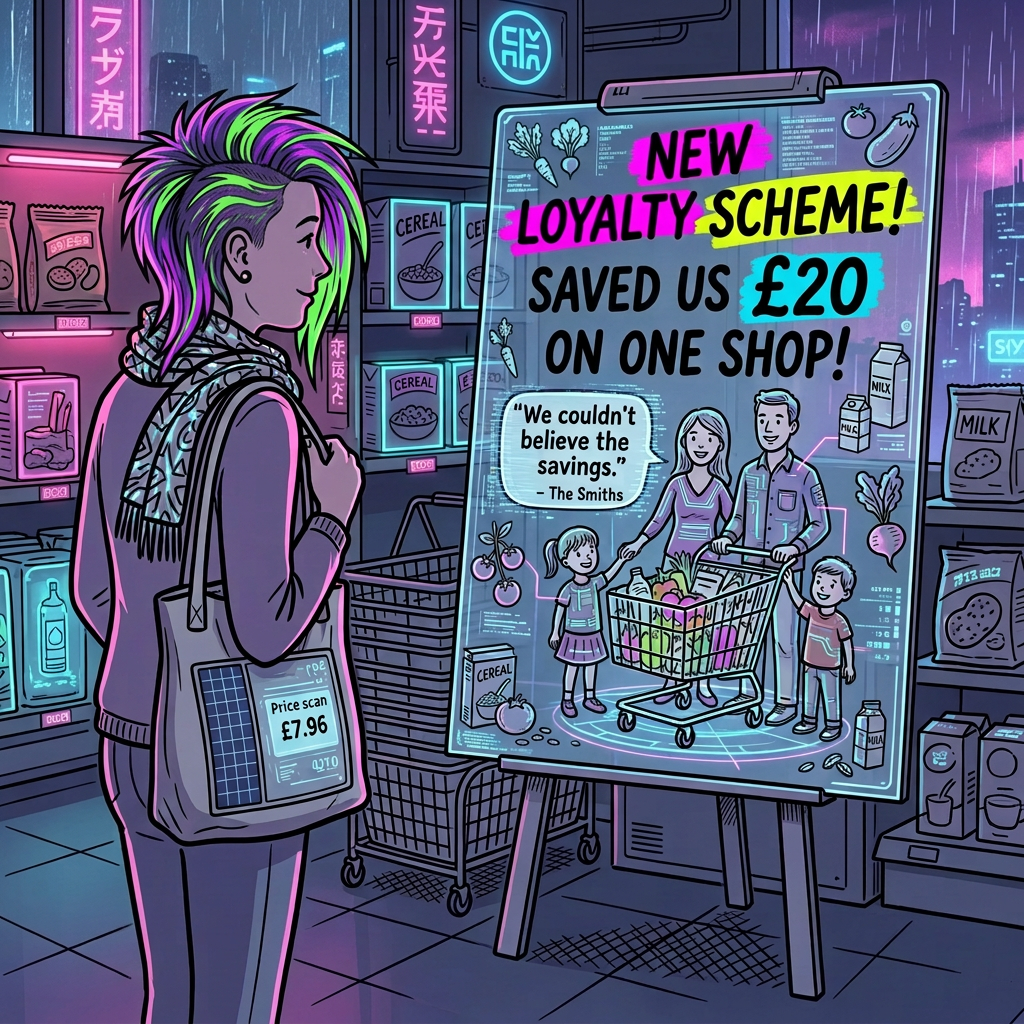
The social learning effect is when people learn what to buy by observing others’ choices and behaviours.
2. What it means to businesses
It means that customer decisions are heavily influenced by what they see others doing — online reviews, influencer content, peer recommendations, and even what strangers are buying can shape demand faster than ads alone.
3. Customer opportunity
Shoppers gain confidence and reduce risk when they see others making the same purchase — especially if those people are relatable or aspirational. This effect helps customers feel informed and part of a trend or community.
4. Business threat
If your competitors are leveraging social proof better than you are — showcasing customer reviews, UGC (user-generated content), or influencer partnerships — your product may seem riskier or less desirable, even if it’s objectively better.
5. Business examples of this effect
- Glossier: Built its brand by encouraging real customers to share looks and reviews on social media. Word-of-mouth and peer visuals drove trust and sales.
- Amazon: The review and rating system is core to how people decide — often opting for 4.6 stars over 4.4 even if the price is higher.
- Nike: Leveraged athletes and everyday runners sharing their journey on social platforms, leading to spikes in sales of specific shoes after viral training stories.
6. How can we use data to maximise this effect?
- Track and analyse review content: Find patterns in language customers use and reflect those words in your product copy.
- Monitor what products are tagged in social content: Use this to predict demand or build bundles.
- Identify top influencers and brand advocates: Use engagement data (not just follower count) to find who actually drives action.
- A/B test social proof placements: See what works best — testimonials on product pages vs. home page vs. checkout.
- Use customer segmentation: See which groups are more likely to rely on peer validation and tailor messaging accordingly.
When launching new products, entering new markets, or competing in saturated categories. Social learning fills the confidence gap customers feel when unsure what to buy — making it a low-cost, high-impact driver of trust and conversion.


Leave a Reply