
1. What is this in one sentence
The “illusion of effort” is when customers believe something is more valuable or higher quality because it appears to have required more effort to produce.
2. What it means to businesses
For retailers, this means that how you present effort can directly influence how customers perceive worth — even if the real effort hasn’t changed. By showing the care, craft, or complexity behind a product or service, you can justify premium pricing and strengthen brand loyalty.
3. Customer opportunity
Customers feel reassured they’re buying something “worth it.” Demonstrating visible effort — whether through packaging, storytelling, or service rituals — makes them feel they’re getting exceptional value and authenticity.
4. Business threat
If customers don’t see the effort, they may undervalue the product, assume it’s cheaply made, or go for a competitor who better “shows the work.” Too much visible effort, however, can also signal inefficiency or high cost, which can push customers away.
5. Business examples of this effect
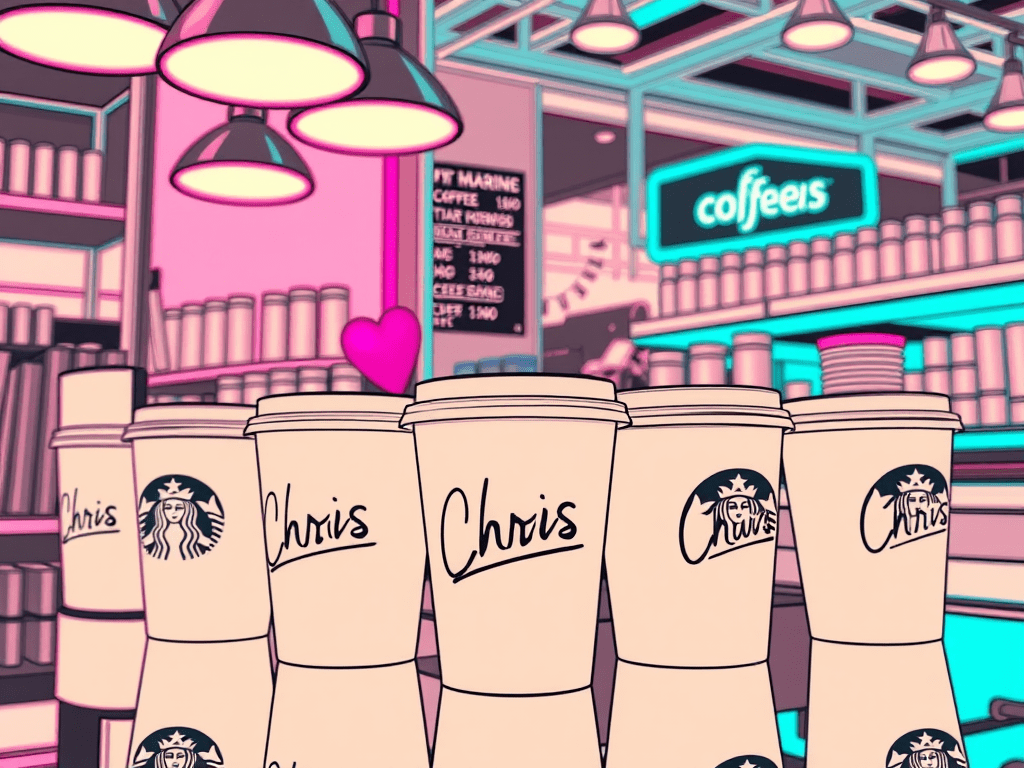
- Starbucks: Baristas calling out names, writing on cups, and personalising orders gives the illusion of handcrafted service — even in a highly automated process.
- Apple: The sleek packaging and deliberate unboxing experience make customers feel the product has been engineered with obsessive attention, reinforcing quality perceptions.
- Etsy sellers: Many list “handmade” or “hours spent crafting” in product descriptions, even when production is semi-automated — signalling personal effort and authenticity.
6. How can we use data to maximise this effect
Use customer sentiment analysis to find which aspects of “effort” resonate most (e.g. craftsmanship, service, sustainability).
Track conversion rates and price sensitivity after highlighting process transparency or artisanal cues.
Analyse reviews and social posts for mentions of “quality,” “handmade,” or “care” to identify the visual or verbal signals that trigger perceived effort.
Then test A/B content — one showing effort, one not — to measure uplift in perceived value and willingness to pay.
Retailers don’t just need to work hard — they need to look like they do. The illusion of effort turns process into perception, and perception into profit.



Leave a Reply