
1. What is this in one sentence
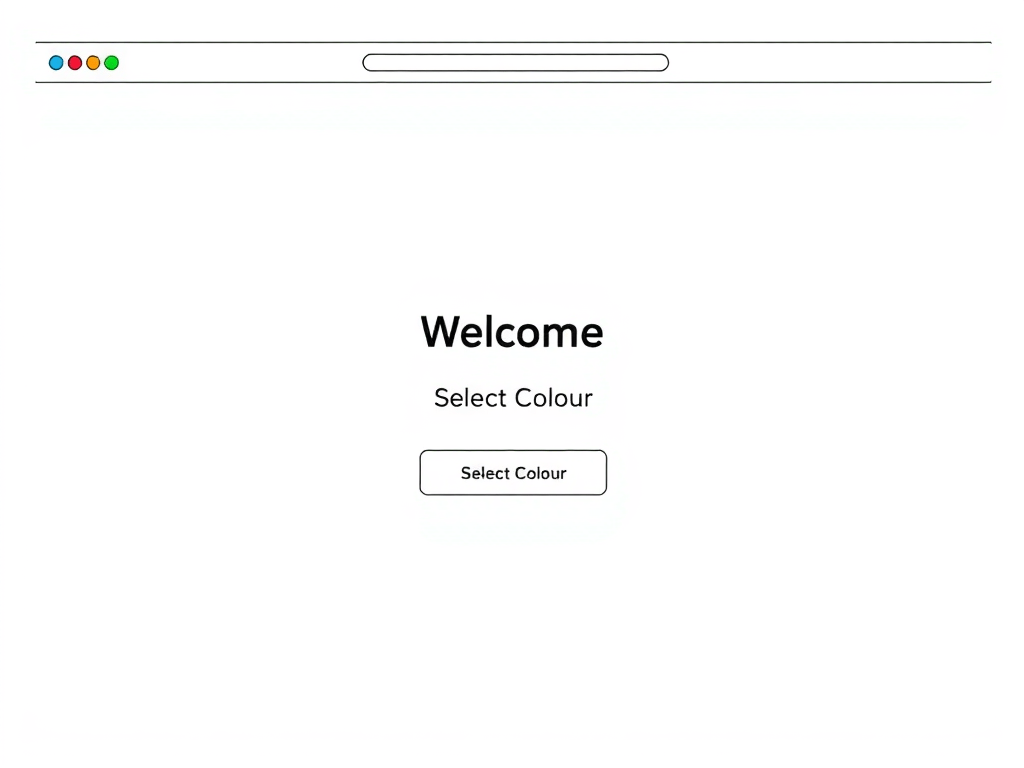
Progressive disclosure is a design and communication technique that reveals information step-by-step, only when the customer needs it.
2. What it means to businesses
For retailers, progressive disclosure helps simplify complex choices, reduce overwhelm, and keep customers moving naturally through a buying journey without friction. When done well, it removes noise, builds confidence, and increases conversion because customers only see details when they’re ready to process them.
3. Customer opportunity
Customers benefit from clarity and calm. Instead of facing an immediate wall of options, disclaimers, or specifications, they receive an experience that feels curated. It mirrors how people actually think—first “Is this right for me?”, then “How does it work?”, then “What’s the detail?”. Progressive disclosure lets shoppers feel in control of the pace and depth of information.
4. Business threat
But there’s a cultural line. If information feels withheld rather than sequenced, trust drops fast. Customers from high-transparency cultures (UK, US, Nordics) expect upfront clarity on price, terms, and commitments. If they sense concealment—shipping fees surfaced too late, stock limitations hidden, or “surprise” subscription conditions—they may bounce, complain, or share negative reviews. Misuse turns a smart technique into perceived manipulation.
5. Business examples of this effect
- Apple (Retail & Online)
Apple’s product pages guide customers from simple headlines (“A new era of performance”) into deeper technical specifications only if they choose to expand. This keeps early exploration light, while still offering detail for shoppers who want it. - IKEA (In-store journey & website)
IKEA uses progressive disclosure both physically and digitally. The showroom inspires with big ideas, while product measurements, component lists, and assembly details appear progressively through the store or on expandable web sections—supporting both dreamers and planners. - Booking.com (Mixed success)
Booking.com uses progressive disclosure to keep property listings clean, but sometimes reveals extra fees, taxes, or cancellation limitations late in the flow. Where used well, it reduces clutter. Where used poorly, it damages trust and causes cart abandonment.
6. How we can use data to maximise this effect
- Track drop-off points
Analyse where customers exit in a flow. If drop-off increases right after revealing shipping costs or terms, the information may come too late. - Use A/B tests on reveal timing
Test when to show key details—price breakdowns, product specs, stock levels, commitments. The data will identify the “sweet spot” between clarity and simplicity. - Segment by shopping behaviour
Fast decision-makers prefer minimal detail upfront; deliberate researchers prefer immediate access to deep information. Personalised disclosure patterns—guided by click depth, dwell time, or returning visitor status—can increase satisfaction for both. - Heatmaps & scroll-depth analysis
Understand what customers are ignoring or hunting for. If users scroll extensively to find essential information, bring that detail up earlier. - Measure trust signals
Collect explicit feedback (“Did you find the information you needed?”). Combine this with review-data sentiment around transparency to catch early signs of mistrust.
Progressive disclosure works best when it respects the customer’s intelligence. Retailers should reveal the right information at the righttime, not to hide, but to help customers think clearly. Use it to simplify, guide, and support but never to mislead. Customers will feel the difference instantly


 BrighterDataMinds.com
Leave a comment