1. What is this in one sentence
The Mandela Effect is when large groups of people confidently remember something that never actually happened.
2. What it means to businesses
Memory is not a reliable record of truth — it’s a story people reconstruct over time. For businesses, this means brand perception is shaped less by facts and more by what customers think they remember. Repetition, context, and cultural cues often matter more than reality.
3. Customer opportunity
If customers already “remember” something incorrectly, brands can lean into that shared belief to feel familiar, trusted, and culturally embedded. For retailers, this can create instant emotional connection without needing long explanations or heavy persuasion.
Used well, it shortens the distance between first exposure and purchase.
4. Business threat
If customers remember your brand, product, or promise incorrectly, you may be losing trust without knowing why. Misremembered prices, guarantees, or experiences can lead to disappointment, complaints, and churn — even when the business technically did nothing wrong.
Ignoring false memories doesn’t make them disappear.
5. Business examples of this effect
1. Brand logos and visual identity
Many people “remember” logos differently (extra lines, different fonts, missing symbols). Retailers that refresh branding too aggressively can trigger discomfort because it clashes with the false memory customers hold — even if the new design is objectively better.
2. “We’ve always done it this way” pricing myths
Customers often believe a retailer used to be cheaper, more generous, or more flexible than it ever was. This perception can damage value positioning, even when prices haven’t meaningfully changed.
3. Product nostalgia that never existed
Shoppers frequently recall products being higher quality, larger, or better tasting “back in the day.” Retailers can use this by re-introducing “classic” ranges — even when the original product was never quite as good as people remember.
6. How can we use data to maximise this effect
Track perception, not just performance
Survey what customers believe about your brand — prices, quality, heritage, values — and compare it to reality. The gaps are where the opportunity lies.
Analyse language in reviews and social media
Look for phrases like “used to,” “always,” or “I remember when.” These signal shared false memories forming at scale.
Test nostalgia carefully
Use A/B testing on messaging that references heritage, “originals,” or “back by popular demand.” Measure emotional response, not just conversion.
Know when to use it
The Mandela Effect works best for retailers when:
- The category is emotional (fashion, food, home, beauty)
- The purchase is habitual rather than high-risk
- The brand has been around long enough to feel “familiar”
It’s far less effective for technical, regulated, or safety-critical products where accuracy matters more than emotion.
Customers don’t buy what happened — they buy what they remember.Smart retailers don’t fight false memories. They understand them, measure them, and design around them.
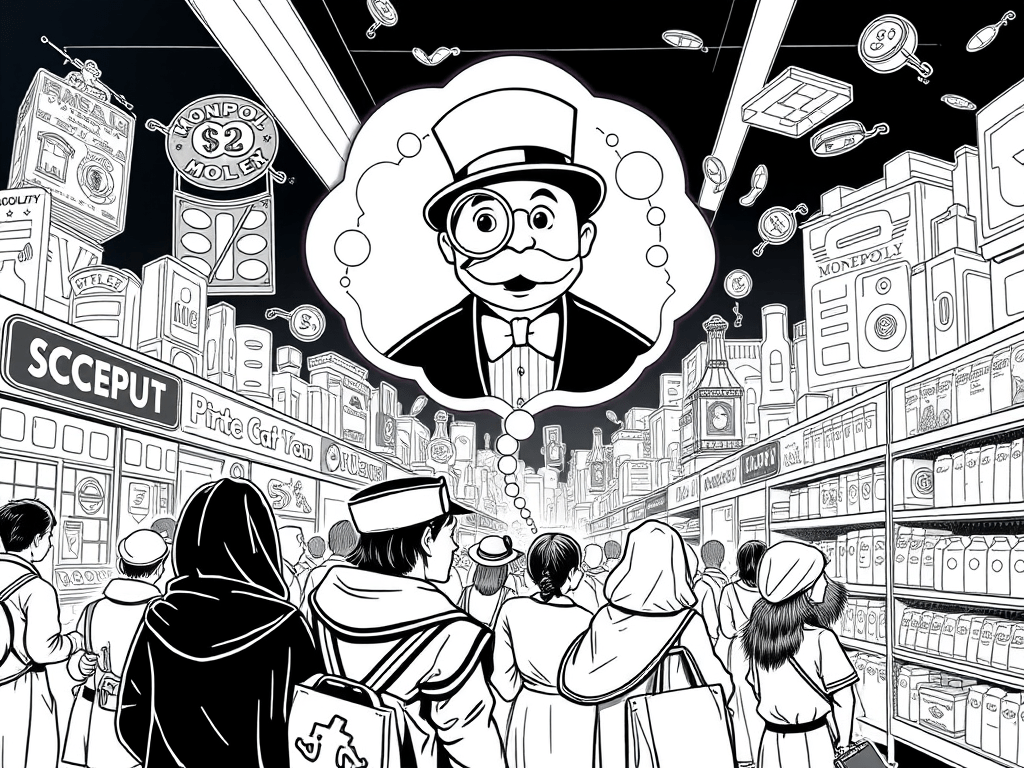
Oh, and “Mr. Monopoly” never wore a monocle.
 BrighterDataMinds.com
Leave a comment