1. What is this in one sentence
The Deboeuf Illusion (also known as the Delboeuf Effect) is a psychological bias where the size of a surrounding space changes how big or small something appears.
2. What it means to businesses
For retailers and brands, the Deboeuf Effect shows that context changes perceived value. The same product can feel larger, more premium, better value, or insufficient depending on what surrounds it — shelf space, packaging, plate size, or comparison products.
In simple terms – customers don’t judge size in isolation. They judge it relative to what’s around it. This means retailers can influence perception without changing the actual product.
3. Customer opportunity
When used responsibly, this effect can improve customer satisfaction and perceived value. Opportunities include:
- Helping customers feel they are getting more for their money
- Making healthier portions feel satisfying
- Reducing overwhelm by framing options clearly
- Helping premium products look appropriately “special”
Restaurants, supermarkets and ecommerce platforms all use visual framing to help customers feel confident about their choices.
4. Business threat
Used poorly, the Deboeuf Effect can backfire. Risks include:
- Customers feeling misled about portion size
- Perceived shrinkflation
- Loss of trust if packaging exaggerates value
- Products looking poor value next to competitors
Retailers must balance perception with authentic value, otherwise customers will notice. The rule: enhance perception — don’t manipulate it.
5. Business examples
1. Plate size in restaurants
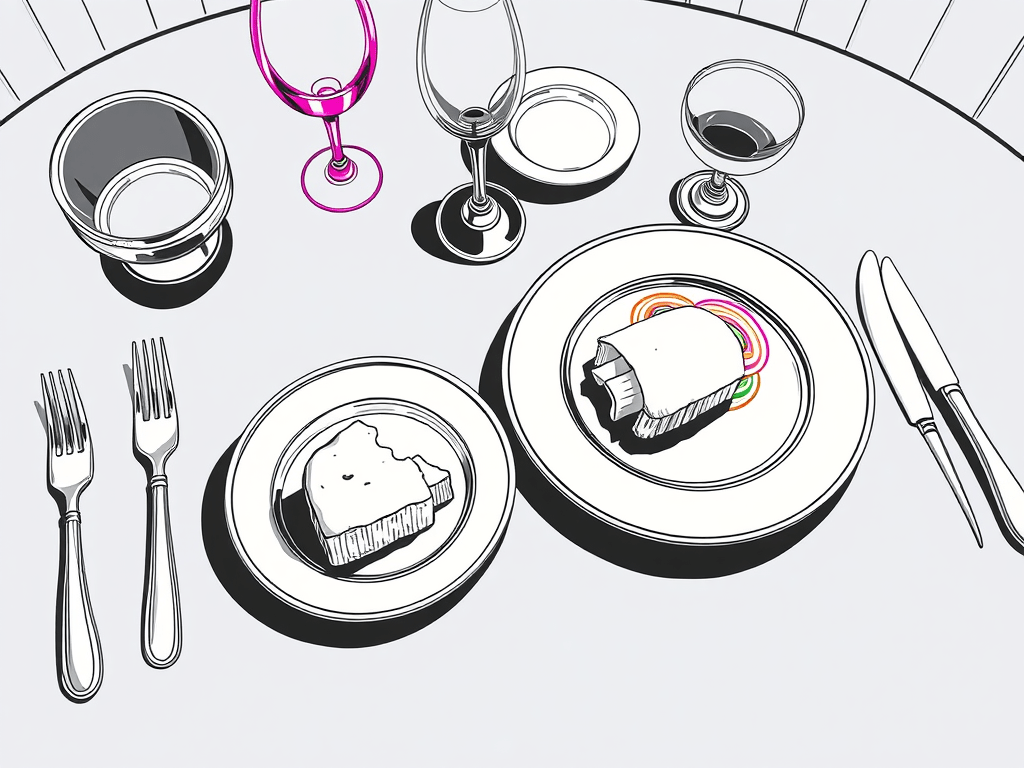
Restaurants often serve food on plates sized to frame the portion attractively.
- Small plates make portions look larger
- Large plates can make the same portion feel disappointing
This is why many restaurants avoid oversized plates unless the dish itself is large. It also explains why diet programs often recommend smaller plates at home.
2. Starbucks cup sizing
Coffee chains use cup size framing to influence perceived value. At Starbucks, the menu structure (Tall, Grande, Venti) creates a comparison context where:
- The middle option appears most “reasonable”
- The largest option appears like the best value
The surrounding options change how customers perceive the size they choose.
3. Supermarket packaging design
Retail brands often adjust box dimensions and internal spacing. For example:
- Snacks positioned inside larger bags
- Cosmetics in packaging with large borders
- Electronics in oversized boxes
The product appears more substantial because the surrounding frame exaggerates scale.
Retailers like Apple use the opposite tactic — minimal packaging to make the product itself feel visually dominant.
6. How can we use data to maximise this effect
The Deboeuf Effect becomes powerful when combined with behavioural data. Retailers can test where visual framing changes buying behaviour.
1. A/B test packaging sizes
Experiment with:
- Packaging borders
- Shelf spacing
- Box dimensions
Measure impact on:
- conversion rate
- perceived value
- repeat purchase
2. Analyse basket trade-ups
Look for evidence where visual comparisons drive customers to larger sizes.
Common signals:
- mid-tier products outperforming small options
- large options increasing when positioned next to premium items
3. Use planogram analytics
Shelf placement dramatically affects the Deboeuf Effect.
Data points to track:
- shelf adjacency
- product spacing
- visual density
Products surrounded by smaller items often appear premium and larger.
This technique works best when customers make quick visual comparisons. Ideal retail scenarios include:
- supermarket shelf displays
- meal deals and portioning
- ecommerce product comparison pages
- restaurant plating
- packaging design
Customers don’t buy absolute value. They buy perceived value within a frame. Smart retailers design that frame intentionally.



Leave a Reply