1. What is this in one sentence
People are more likely to say yes when you give them a reason—even a simple or obvious one.
2. What it means to businesses
This is about removing friction in decision-making. Customers don’t just want what you’re offering—they want a quick justification for why they should act now.
For retailers, this means that small additions like “because it’s our best-seller” or “because it saves you time” can materially increase conversion. It’s not about manipulation—it’s about clarity. When customers don’t have to think too hard, they move faster.
3. Customer opportunity
Customers benefit from reduced cognitive load. A clear reason helps them:
- Make faster decisions
- Feel more confident in their choice
- Avoid post-purchase doubt
In a world of endless options, a simple “because” acts like a shortcut. It reassures them they’re making a sensible choice without overthinking it.
4. Business threat
Overuse or lazy use kills credibility. If every product says “because it’s amazing” or “because it’s popular,” customers quickly tune out. Worse, they may distrust your messaging entirely.
There’s also a risk of generic reasoning—if your “because” isn’t meaningful or specific, it adds no value and can even reduce perceived authenticity.
5. Business examples of this effect
1. Supermarkets (e.g. meal deals): “Buy this meal deal because it saves you £3.”
Clear, immediate justification → drives impulse purchases at lunchtime.
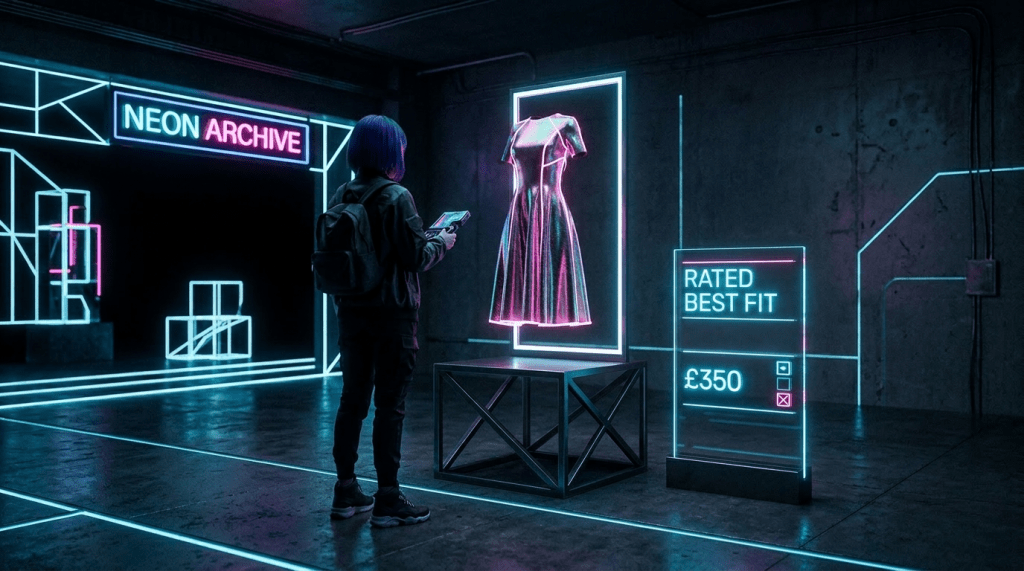
2. Fashion retail (e.g. product badges): “Bestseller – because customers love the fit.”
This combines social proof with a reason → reduces hesitation in apparel where fit risk is high.
3. E-commerce (e.g. delivery messaging): “Order in the next 2 hours because you’ll get it tomorrow.”
The “because” ties urgency to a benefit → increases checkout completion rates.
6. How can we use data to maximise this effect
This is where most marketers fall short—they guess the “because” instead of proving it. Start with behavioural data:
- What actually drives conversion? (price, speed, popularity, scarcity)
- Analyse product-level conversion vs. messaging variations
Use A/B testing religiously:
Test different “because” statements:
- “Because it’s cheaper” vs. “because it lasts longer”
- “Because it’s popular” vs. “because it’s exclusive”
You’ll often find surprising winners.
Segment your reasoning:
Different customers respond to different logic:
- New customers → “because it’s popular” (social proof)
- Loyal customers → “because it’s new” (novelty)
- Price-sensitive → “because it saves money”
Mine reviews and feedback:
Your customers are already telling you the best “because.”
Pull common phrases from reviews like:
- “because it’s easy to use”
- “because it fits perfectly”
Then feed that language back into your messaging.
Use the Because Validation Effect at moments of hesitation:
- Product pages
- Checkout stages
- Promotional signage
- Email CTAs
If a customer might pause, that’s your cue to answer the silent question:
“Why should I do this?”
Retailers don’t need louder messaging—they need clearer reasoning.
A well-placed “because” doesn’t just persuade


Leave a Reply