1. What is this in one sentence?
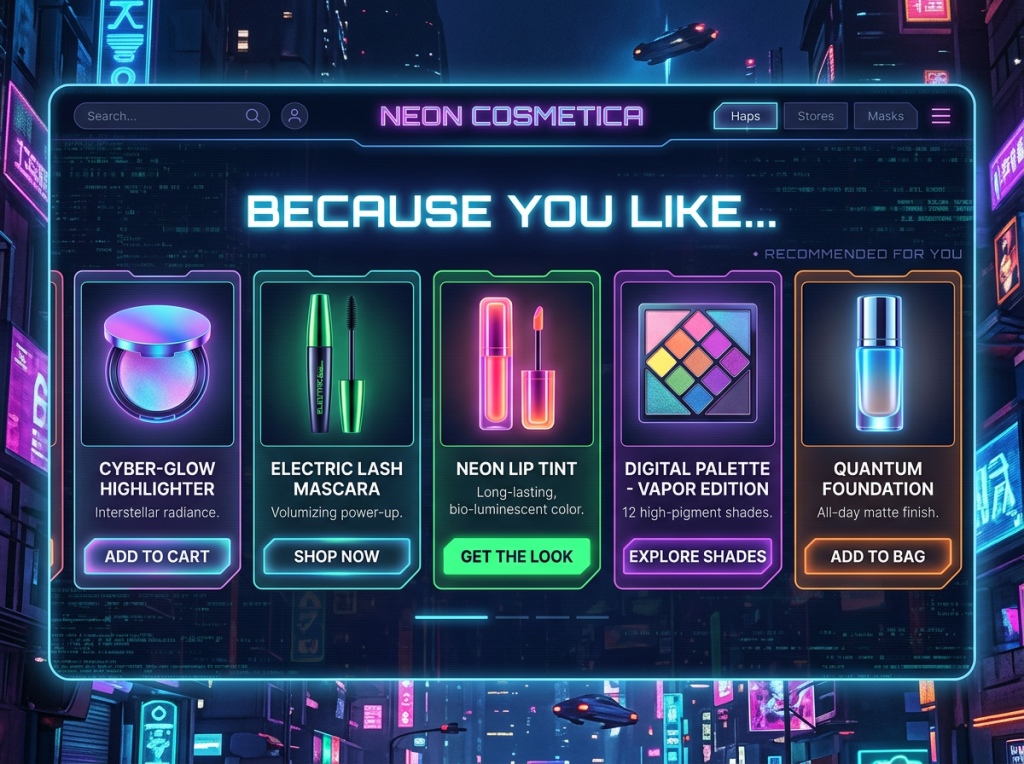
The illusion of privacy is the practice of mixing personalised recommendations with non-personalised content so customers feel assisted rather than monitored.
2. What it means to businesses
Most retailers have invested heavily in customer data, AI models, loyalty programmes and recommendation engines. The challenge is that highly accurate personalisation can sometimes backfire. When a customer feels a brand knows too much about them, the experience moves from useful to uncomfortable. This is often referred to as the “creepiness factor.”
By intentionally introducing some uncertainty into recommendations, retailers create the impression that suggestions are based on broader trends rather than intimate surveillance. The result is often:
- Greater trust in the brand
- Better customer engagement
- Reduced privacy concerns
- Higher acceptance of personalised recommendations
The goal is not perfect prediction. The goal is creating confidence that the brand is helping rather than tracking.
3. Customer Opportunity
Customers benefit because they discover products they may never have actively searched for. A fully personalised shopping journey can become repetitive and restrictive. Customers repeatedly see the same categories, brands and products. Introducing randomness can:
- Create moments of discovery
- Reduce feelings of being monitored
- Broaden customer consideration sets
- Make browsing more enjoyable
- Increase perceptions of choice
In simple terms, customers feel like they are exploring rather than being analysed.
4. Business Threat
Like most behavioural techniques, there is a balance. Too little randomness can make recommendations feel invasive. Too much randomness can make recommendations irrelevant. Potential risks include:
- Lower conversion rates if recommendations feel unhelpful
- Reduced relevance of marketing communications
- Customers questioning recommendation quality
- Wasted media and promotional spend
Retailers should aim for “guided discovery” rather than complete personalisation or complete randomness. The sweet spot sits somewhere between “we know exactly what you’re doing” and “we have no idea who you are.”
5. Business Examples
1. Netflix Recommendation Blending
Netflix uses recommendation systems heavily, but it does not simply fill a homepage with titles matching viewing history. Users are presented with:
- Personalised suggestions
- Trending content
- New releases
- Editorially selected programmes
This blend introduces variety and helps subscribers discover content outside their normal viewing behaviour. Users feel they are browsing entertainment rather than being managed by an algorithm.
2. Spotify Discover Weekly
Spotify’s Discover Weekly playlist uses listening history but deliberately incorporates artists and genres slightly outside a listener’s core preferences. If recommendations were based solely on past behaviour, users would hear the same music repeatedly. Discovery remains exciting while still feeling personally relevant.
3. Amazon Product Recommendations
Amazon frequently combines:
- Previously viewed products
- Frequently bought together items
- Best sellers
- Sponsored products
- Trending products
This means recommendations do not appear entirely driven by individual behaviour. Customers perceive opportunities to browse rather than feeling every product is based on surveillance.
6. How Can We Use Data to Maximise This Effect?
The key is not collecting more data. It is using existing data more intelligently. Measure Personalisation Tolerance. Not all customers react the same way. Some customers enjoy highly targeted communications while others value anonymity. Track:
- Email open rates
- Click-through behaviour
- Website engagement
- Opt-out rates
- Privacy preference selections
This helps identify where personalisation should be increased or reduced. Build Randomness Testing Into Recommendation Engines Use A/B testing to understand the optimal balance. For example:
- Group A receives 100% personalised recommendations
- Group B receives 80% personalised recommendations and 20% discovery products
- Group C receives 60% personalised recommendations and 40% discovery products
Measure:
- Conversion
- Basket value
- Engagement
- Return visits
The answer is rarely 100% personalisation. Further, look beyond conversion. Monitor:
- Category exploration
- Product views
- Search behaviour
- Time on site
- Wish-list additions
These metrics reveal whether customers are enjoying the experience even if they do not immediately purchase.
Segment by Shopping Mission. Randomness works best when customers are browsing. Good examples include:
- Fashion retail
- Home furnishings
- Beauty
- Lifestyle products
- Gift shopping
Customers searching for replacement printer ink do not want surprises. Customers buying clothes often do.
When Should Retailers Use This Technique?
The illusion of privacy works best when:
✅ Customers are exploring rather than solving a problem.
✅ Product discovery is part of the buying journey.
✅ There are large product ranges.
✅ Customer trust is important.
✅ Personalisation has become highly accurate and potentially intrusive.
Retailers should avoid heavy use when customers need speed, precision or certainty. The more emotional and exploratory the category, the more randomness you should introduce. The more functional and task-focused the category, the more precise personalisation should become.
The best personalisation doesn’t feel personal. It feels helpful. Smart retailers hide a little randomness inside their recommendations so customers discover products, not surveillance.


Leave a Reply