1. What is this in one sentence?
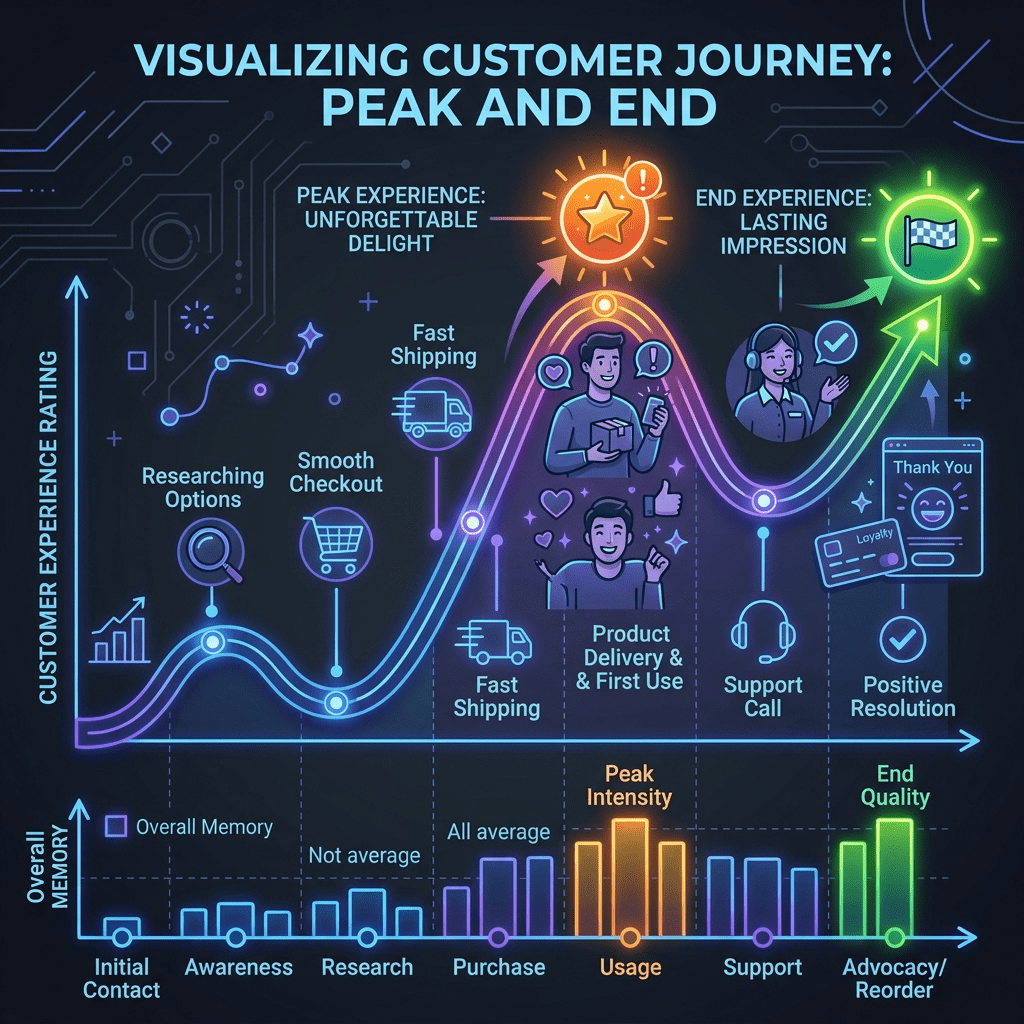
The Peak-End Rule is a psychological principle that says people judge an experience largely by its most memorable moment and its ending, rather than by the average of the entire experience.
2. What it means to businesses
For businesses, the Peak-End Rule means that creating one standout moment and a positive ending can have a bigger impact on customer perception than improving every single interaction.
Many organisations focus on reducing friction throughout the customer journey, which is important. However, customers often recall a brilliant interaction with a staff member, an unexpected reward, or a seamless checkout process more clearly than the many average moments that came before it.
This principle is especially powerful because it influences:
- Customer satisfaction
- Brand perception
- Repeat purchase behaviour
- Recommendations and word of mouth
- Customer loyalty
In simple terms, if customers leave feeling good, they are more likely to come back.
3. Customer Opportunity
Customers benefit when businesses intentionally design memorable experiences.
Examples include:
- Receiving an unexpected discount at checkout
- A personalised thank-you message after purchase
- Fast and painless returns
- Exceptional customer service during a problem
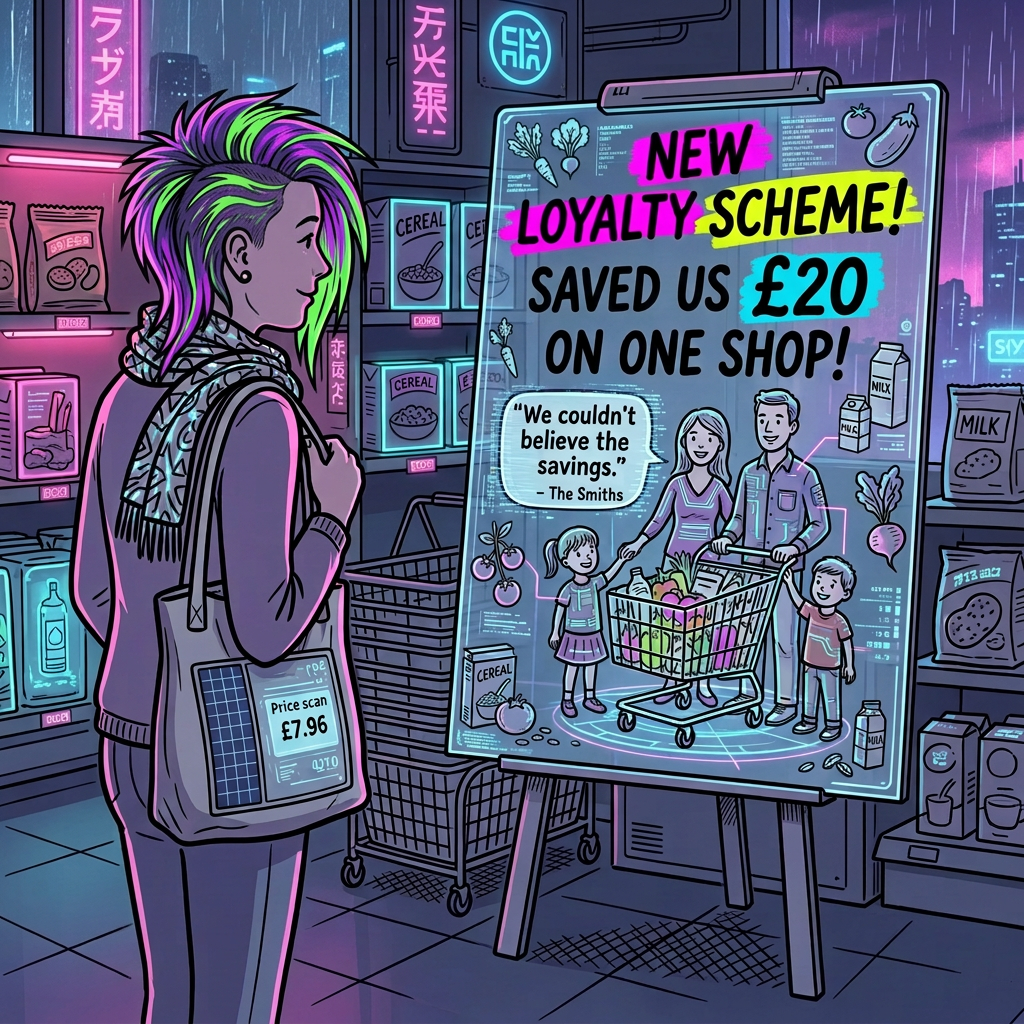
- Loyalty programme rewards that feel genuinely valuable
These moments create positive emotional memories that make shopping feel rewarding rather than transactional.
4. Business Threat
The Peak-End Rule works both ways.
A poor ending can completely overshadow an otherwise positive experience.
Common retail examples include:
- Long checkout queues
- Confusing returns processes
- Unexpected delivery charges
- Poor customer service during complaints
- Complicated online checkout journeys
Customers may forget the great products, good pricing and attractive store environment if the final interaction leaves them frustrated.
Retailers often underestimate how damaging these final moments can be.
5. Real Business Examples
1. Amazon’s Frictionless Checkout and Delivery Updates
Amazon has built much of its customer experience around reducing friction at the most critical stages of the journey. Features such as one-click ordering, simple returns and proactive delivery notifications create positive ending moments that leave customers feeling in control and informed.
2. Ritz-Carlton’s Service Recovery Approach
Luxury hotel chain Ritz-Carlton is famous for empowering staff to solve guest problems immediately. When an issue occurs, the recovery experience can become the emotional peak of the customer’s stay. Guests often remember how a problem was resolved more vividly than the problem itself.
3. Starbucks Rewards Programme
Starbucks regularly leverages the Peak-End Rule through personalised rewards and milestone incentives. Customers often finish their purchase journey with a free drink, bonus points or a personalised offer. The final interaction leaves a positive emotional impression that increases the likelihood of repeat visits.
6. How Can We Use Data to Maximise This Effect?
The Peak-End Rule becomes significantly more powerful when supported by customer data. Identify Emotional Peaks; use:
- Customer surveys
- Customer satisfaction scores
- Online reviews
- Social listening
- Mystery shopping
Look for moments customers mention most frequently. These are often the natural peaks in the journey.
Analyse Journey Drop-Off Points
Find where positive experiences are being damaged by friction.
Measure End-of-Journey Satisfaction
Ask for feedback immediately after: Purchase, Delivery, Customer service interactions, Returns processes. Customer memory is strongest closest to the experience.
Personalise Endings
Examples include:
- Bespoke offers
- Tailored recommendations
- Anniversary rewards
- Personal thank-you messages
A personalised ending is often more memorable than a generic one.
Predict Loyalty Drivers
Using customer analytics and machine learning models, businesses can identify which moments are most strongly linked to:
- Repeat purchases
- Customer lifetime value
- Net Promoter Score
- Retention
This helps focus investment on the experiences that customers actually remember.
When is the Peak-End Rule Most Useful for Retailers?
Retailers should prioritise the Peak-End Rule when:
- Launching Loyalty Programmes
- Improving Checkout Experiences
- Designing Delivery Experiences
- Managing Returns
- Recovering Service Failures
The Peak-End Rule reminds us that customers don’t remember everything. They remember the moments that made them feel something and how the experience concluded. For retailers, this is good news. You do not need to perfect every single touchpoint. Instead, create memorable emotional peaks and ensure customers leave with a positive final impression. Because in retail, the experience customers remember is often more important than the experience they actually had.



Leave a Reply