
1. What is it, in one sentence
The displacement effect is when a new product, channel or promotion wins sales that were simply moved from somewhere else, rather than creating fresh demand.
2. What it means to businesses
Not all sales are growth. When you launch a range, run a promotion or open a new channel, the tills may ring, but some of that money was already heading your way. Same wallet, different pocket.
That matters because headline numbers can flatter you. A launch that sells brilliantly can still be a loss if it quietly eats the sales, and the margin, of what’s already on your shelves. The question isn’t “how much did it sell?” but “how much of that was new?”
3. Customer opportunity
Displacement isn’t always bad. If a customer is going to switch anyway, you’d rather they switched to you than away from you.
Used on purpose, it lets you trade shoppers up to higher-margin products, nudge them into cheaper-to-serve channels like click and collect or your app, and replace tired lines with ones they actually prefer. The customer gets something better, and you choose where the sale lands.
4. Business threat
The danger is mistaking displacement for growth. You back a launch, a promotion or a channel with serious investment, report a win, and later find the core business shrank by almost the same amount.
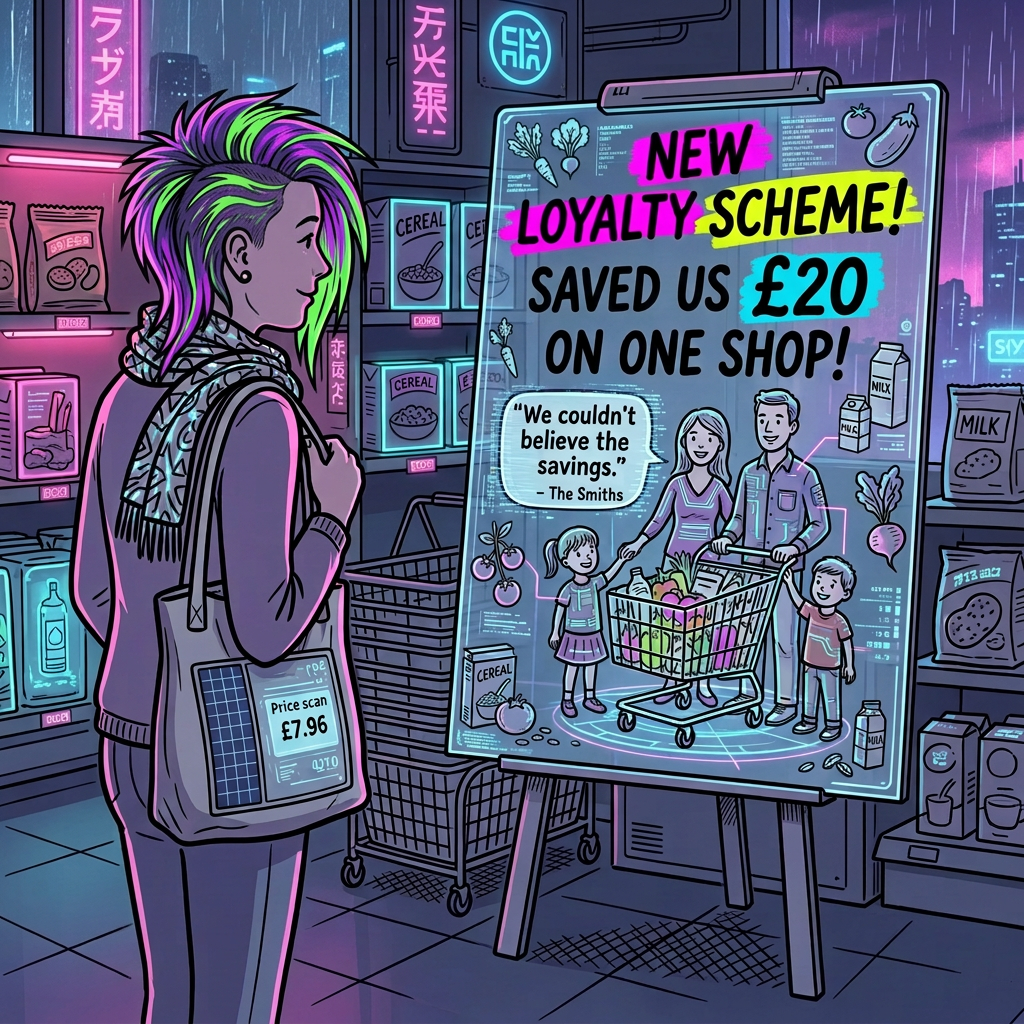
Promotions are the classic trap. Discounts often pull demand forward from future weeks, leaving a dip afterwards. And displacement can happen to you too, when a competitor’s new offer lifts the shopper’s spend out of your basket.
5. Three real business examples
- Apple (iPhone and iPod): Apple knowingly launched a product that took sales from its own hugely successful iPod, reasoning it was better to displace itself than let someone else do it.
- Kodak (digital and film): Kodak was an early developer of digital photography but held back, worried it would displace its profitable film business. Competitors had no such concern, and film sales were displaced anyway.
- Aldi and Lidl (UK grocery): The discounters’ growth has largely come by drawing shoppers and spend away from the big supermarkets such as Tesco, Sainsbury’s, Asda and Morrisons, rather than from the market growing.
6. How can we use data to maximise this effect
- Test versus control: Compare stores, regions or customer groups exposed to the change with similar ones that weren’t, to see what’s truly incremental.
- Switching analysis: Use loyalty and transaction data to see which products lose sales when a new one launches.
- Before, during and after: Track the baseline, the uplift and the post-promotion dip, so you spot demand that was only pulled forward.
- Net margin view: Judge success on incremental profit, not just total sales.
7. When is it best to use this technique for retailers
- Trading customers up: Launch premium or own-label lines where you want shoppers to move to a better-margin option.
- Clearing or reshaping range: Use deliberate displacement to retire slow sellers without losing the customer.
- Moving channels: Encourage the shift to lower-cost options, such as app orders or click and collect.
- Defending against discounters: Create your own value tier, so lost price-sensitive shoppers stay in your business.
Avoid it when a new line is nearly identical to an existing one, or when a promotion would just hand your own sales a discount. Moving money between your own pockets is only a win if the pocket on the other side is deeper.



Leave a Reply